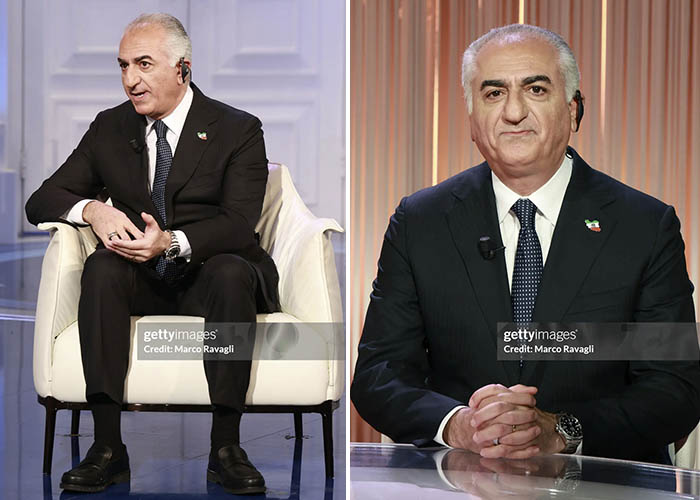
Introduction In April 2026, Reza Pahlavi—widely known among Iranian monarchists as the Crown Prince of Iran—made a high-profile visit to Rome, Italy. His appearance on the prominent Italian television program Porta a Porta, broadcast by RAI, sparked renewed international attention on the future of Iran, the Iranian opposition movement, and the broader geopolitical situation in the Middle East. During his visit, Pahlavi met with Italian political and business leaders, participated in interviews alongside journalist Federico Rampini, and addressed critical issues such as human rights violations, political repression in Iran, and the prospects for democratic transition. Reza Pahlavi: Background and Political Role Reza Pahlavi is the eldest son of Mohammad Reza Pahlavi, the last monarch of Iran, and Farah Diba. Following the Iranian Revolution, the Pahlavi family went into exile. Today, Reza Pahlavi positions himself not merely as a monarchist figure but as an advocate for: Secular democracy Human rights National sovereignty Free elections in Iran He has repeatedly emphasized that the future political system of Iran should be determined by the Iranian people—not imposed by ideology or external forces. Porta a Porta Interview: Key Highlights During his appearance on Porta a Porta, one of Italy’s most influential political talk shows, Pahlavi addressed several critical issues. 1. The Future of Iran Pahlavi emphasized that Iran is at a crossroads. He argued that: The current system under the Islamic Republic is unsustainable Economic collapse and social unrest are increasing A democratic transition is inevitable 2. Human Rights Violations in Iran One of the central themes of the interview was the ongoing human rights crisis in Iran. Pahlavi called on the international community to: Condemn executions in Iran Pressure the regime to end torture and repression Support Iranian civil society He highlighted: Rising execution rates Suppression of protests Lack of freedom of speech 3. Strategic Differences in Regional Conflicts Another major topic discussed was the role of Iran in regional conflicts. Pahlavi criticized the current regime’s foreign policy, stating that: It fuels instability in the Middle East It prioritizes ideological expansion over national interest He proposed an alternative vision: A peaceful Iran integrated into the global community Cooperation with neighboring countries Reduced military tensions 4. The Role of the Iranian People Pahlavi repeatedly emphasized that: “The future of Iran must be determined by the will of its people.” He advocates for: Free referendums Democratic institutions Separation of religion and state This message resonates strongly with many Iranians, particularly younger generations. Meeting with Italian Leaders During his Rome visit, Pahlavi held meetings with Italian political and economic figures. These discussions focused on: Economic cooperation in a post-regime Iran Investment opportunities Diplomatic engagement strategies This signals growing international recognition of the Iranian opposition as a legitimate political force. Media Impact and Global Attention His appearance on Porta a Porta and other Italian programs helped amplify his message to a European audience. Media coverage included: Television interviews Press conferences Social media engagement This visibility plays a crucial role in shaping global perceptions of Iran’s future. Economic Vision for Iran Pahlavi outlined a roadmap for economic recovery: Attracting foreign investment Rebuilding infrastructure Reviving the energy sector He emphasized transparency and anti-corruption measures as essential components. Challenges Facing the Opposition Despite growing support, challenges remain: Fragmentation among opposition groups Limited access to domestic audiences Government repression Conclusion: A Turning Point for Iran? Reza Pahlavi’s 2026 visit to Rome marks a significant moment in the ongoing conversation about Iran’s future. His message is clear: Change is necessary The Iranian people must lead it The international community must support it Whether this moment becomes a turning point depends on multiple factors, including internal resistance, global diplomacy, and regional dynamics.