Understanding the Historical Presence of Jewish Communities in Iran
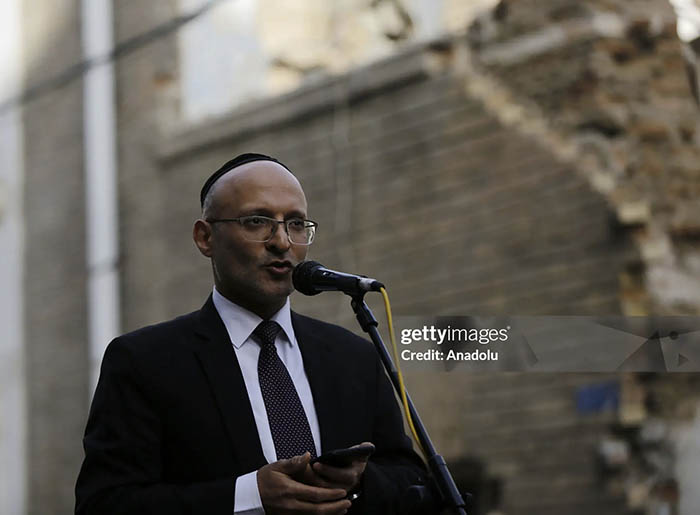
The global attention surrounding the Rafi Nia Synagogue memorial service also renewed interest in the long history of Jewish communities in Iran.
Jewish history in Persia dates back thousands of years and represents one of the oldest continuous Jewish communities in the world. Long before the modern political conflicts that dominate headlines today, Jewish communities lived throughout the Persian region and contributed significantly to cultural, commercial, and intellectual life.
Tehran, in particular, has long served as an important center for Jewish religious and communal activity in Iran.
Many international audiences are unfamiliar with the complexity of Jewish life in Iran because global media coverage often focuses primarily on geopolitical tensions. The memorial service therefore prompted renewed discussion about Iran’s Jewish population and its historical roots.
Searches for “Jewish community in Iran,” “Iranian Jews history,” “synagogues in Tehran,” and “Persian Jewish heritage” increased following publication of the memorial photographs.
Scholars and commentators noted that Iranian Jewish communities have maintained cultural traditions, religious practices, educational institutions, and synagogues across generations despite changing political circumstances.
The Rafi Nia Synagogue itself became a symbol within these conversations. Religious buildings often hold deep emotional and historical significance because they represent continuity, memory, and identity.
Damage to such sites can therefore resonate far beyond physical destruction alone.