Younger audiences especially engaged with this type of content because it combined politics with internet culture. Memes, reaction videos, and short clips made international diplomacy feel more accessible to people who might otherwise ignore political news. Zarif became part of this new style of political media consumption where leaders are discussed not only as policymakers but also as internet personalities.
His communication style also highlighted the importance of soft power in international relations. Soft power refers to influencing others through culture, image, communication, and persuasion rather than military force. Zarif’s relaxed and intelligent public demeanor helped project a more sophisticated image of Iranian diplomacy to global audiences. Whether successful politically or not, his media presence undeniably changed how many people viewed Iranian officials.
As digital media continues evolving, figures like Mohammad Javad Zarif demonstrate how political influence increasingly depends on public communication skills. Diplomats today must navigate not only negotiations with governments but also constant scrutiny from online audiences around the world. Every interview, expression, and public reaction can shape international narratives instantly.
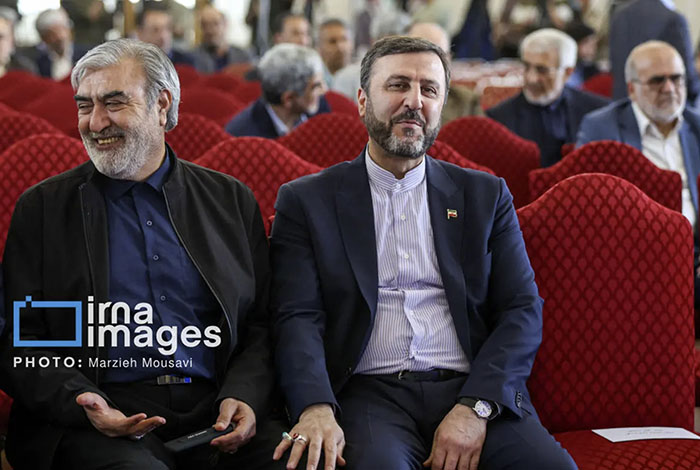
The continuing popularity of “Javad Zarif laugh” searches reflects this transformation. What might once have been considered an ordinary human reaction became an internationally recognized political image because of social media, viral culture, and nonstop digital news coverage. His laughter during diplomacy became symbolic of an era when politics, personality, and internet culture merged together more closely than ever before.