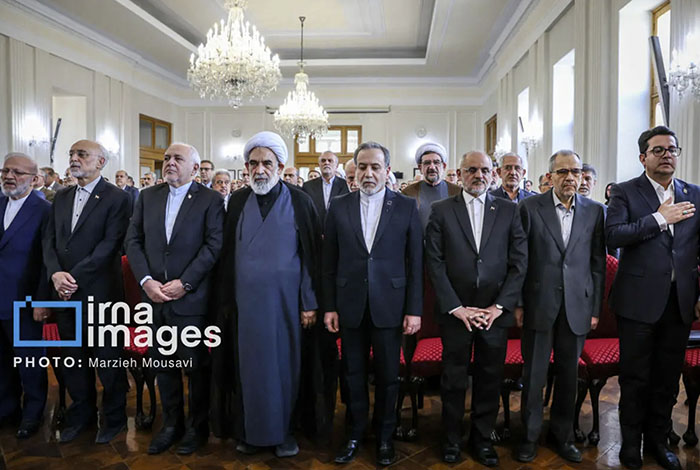
Social media users also compared Zarif with other famous diplomatic figures around the world. Some observers compared his media skills to experienced Western politicians who use humor and relatability to build public trust. Others argued that he represented a new generation of Middle Eastern diplomats capable of communicating effectively with global audiences in multiple languages and across different cultural contexts.
Inside Iran, opinions about Zarif remained deeply divided. Reformist groups often praised him as a symbol of engagement with the international community. Younger Iranians especially admired his educational background, fluent English, and modern diplomatic approach. Many supporters believed he improved Iran’s global image during a period of intense political isolation.
Conservative critics, however, frequently attacked his communication style and negotiation policies. Some political opponents claimed that smiling too much during negotiations with Western governments projected weakness. Others argued that the nuclear agreement itself did not deliver enough economic benefits to Iran despite years of diplomatic effort. Because Zarif became the public face of those negotiations, criticism of the agreement often became personal criticism directed toward him.
Despite political disagreements, even many critics acknowledged his intelligence and media abilities. Few Iranian diplomats had ever achieved such a high level of international recognition. In many countries, ordinary people who had little knowledge of Iranian politics still recognized Zarif from television interviews and viral diplomatic photos.