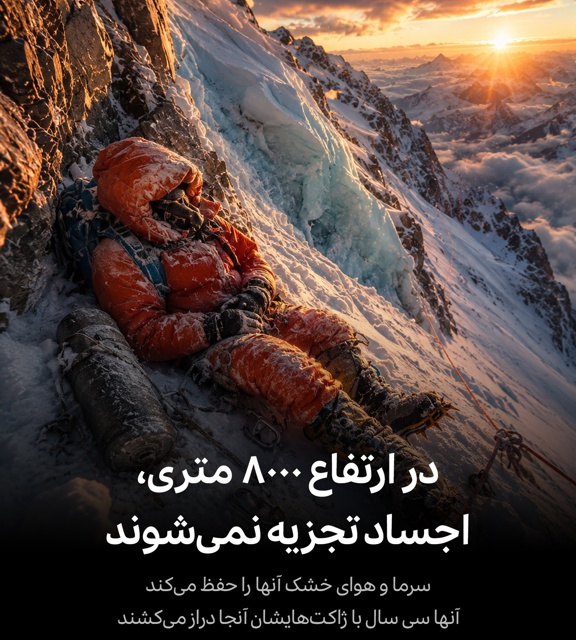
And unlike what many people imagine, reaching the summit doesn’t mean the danger is over. Climbers still have to make the long, exhausting descent while their bodies are already severely depleted. Everest isn’t frightening simply because it’s tall. It’s frightening because almost everything about it—thin air, extreme cold, unpredictable weather, exhaustion, and unforgiving terrain—can become deadly at the same time. That is what makes Everest one of the most dangerous places on Earth.
For many people, Everest represents the ultimate adventure—a massive mountain rising above the clouds, surrounded by spectacular views. But behind those incredible photographs is an environment where the human body is pushed to its absolute limits. The higher climbers go, the thinner the air becomes. At the summit, there is dramatically less oxygen available than at sea level.