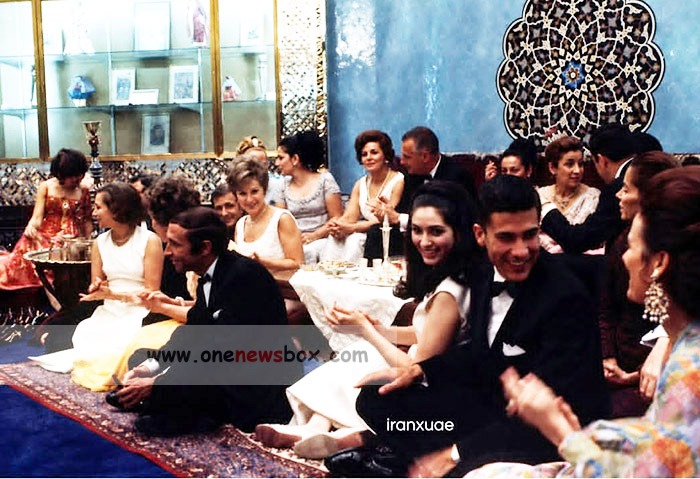
macy enthusiastically. He organized lavish parties and receptions and invited people whom he believed could contribute to Iran’s interests in the United States. The Iranian Embassy developed a reputation for extravagant hospitality. Among the diplomatic missions along Massachusetts Avenue, it was widely regarded as one of the most opulent.
The embassy’s evening banquets attracted a remarkable variety of guests. Politicians and diplomats could be found alongside Hollywood actors and other prominent cultural figures. These gatherings created opportunities for Iranian officials to cultivate relationships with influential Americans in informal surroundings.
From the perspective of diplomatic strategy, such events could be highly valuable. A formal meeting between two government officials might last an hour, while a dinner or reception could create a longer-term personal relationship. In Washington, where political influence often depends on networks of personal connections, ambassadors could use social events to increase their country’s visibility and strengthen access to decision-makers.
Zahedi’s approach was particularly suited to the political environment of the time. Iran enjoyed a close relationship with the American government, and the shah’s regime was an important U.S. partner in the Middle East. The embassy could therefore operate with considerable confidence and visibility.