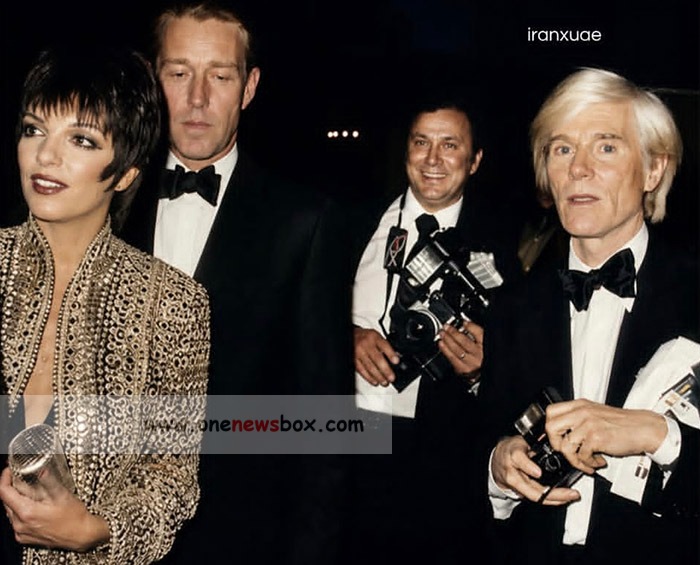
Yet the extraordinary social life surrounding the embassy also illustrates a contradiction within the Pahlavi period. The Iranian monarchy presented itself internationally as modern and sophisticated, but inside Iran the government faced growing political opposition. Critics accused the shah’s government of authoritarianism, political repression, corruption, and excessive dependence on foreign powers, particularly the United States.
The contrast between the elegant diplomatic world of Washington and the political tensions developing inside Iran would become increasingly important. The embassy represented one side of Iran’s international identity, while the revolutionary movement that eventually overthrew the monarchy represented another.
The Iranian Revolution and the Collapse of Relations
The Iranian Revolution of 1979 transformed the political meaning of the embassy. Mohammad Reza Shah Pahlavi was overthrown, and the Islamic Republic of Iran was established. The revolutionary government fundamentally altered Iran’s foreign policy and its relationship with the United States.
The American government had been closely associated with the shah’s regime, and many Iranian revolutionaries viewed Washington with deep suspicion. Historical grievances contributed to this hostility, including the 1953 coup that removed Prime Minister Mohammad Mosaddegh from power, as well as decades of American support for the monarchy.