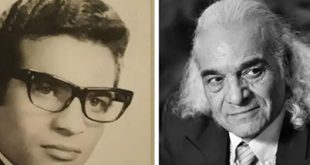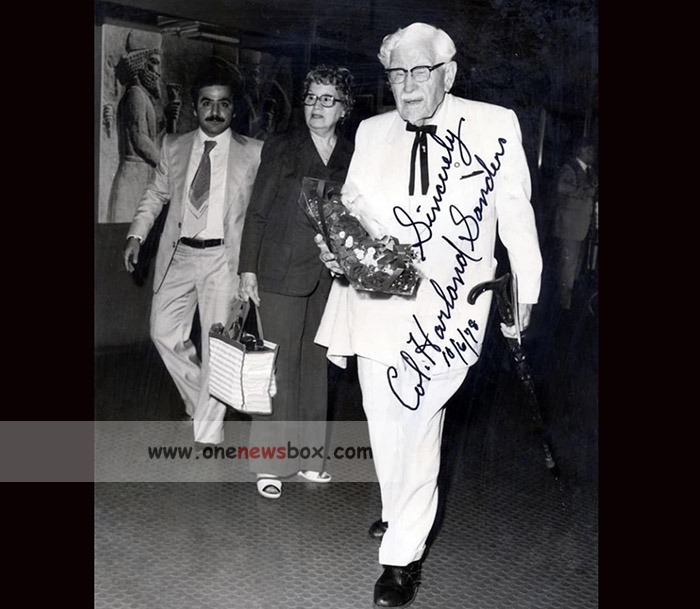
The KFC restaurant disappeared.Its life in Iran had apparently lasted only about eight months.Yet the story did not end there.According to accounts of the restaurant’s history, its manager, Cyrus Yousefi, subsequently rebranded the establishment as “Kabooki.” In this way, a restaurant that had begun under one of America’s most famous fast-food names continued to exist under a different identity, adapting to a dramatically changed Iran.
The story of KFC in Iran is therefore not simply a story about fried chicken. It is a small but fascinating window into a much larger historical transformation.
Tehran Before the Revolution
To understand why an American fast-food restaurant could open in Tehran in 1978, it is important to understand what the city looked like during the final years of the Pahlavi monarchy.
By the 1960s and 1970s, Tehran was undergoing rapid modernization. The government of Mohammad Reza Shah promoted industrialization, urban development, Western-oriented education, and economic growth. The country was increasingly connected to international markets, and Tehran’s middle and upper classes were exposed to foreign products, fashions, music, films, automobiles, and restaurants.
For many Iranians living in the capital, particularly younger and wealthier urban residents, American and European consumer culture was increasingly visible.