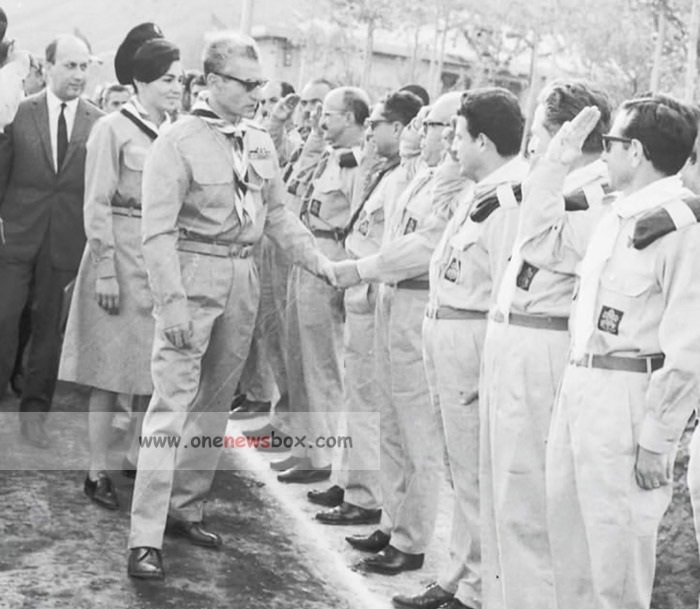
This essay examines the historical development of Scouting in Iran, beginning with its introduction in the early twentieth century and continuing through its expansion during the 1950s and 1960s. It also discusses the effects of the Islamic Revolution, the dissolution of the original organization, and the establishment of new student organizations. By examining these developments, it becomes possible to understand the importance of Scouting in Iranian youth education and its contribution to the country’s social and educational history.
1. The Introduction of Scouting in Iran
The introduction of Scouting to Iran took place during a period when the country was increasingly exposed to international educational and social developments. In the early twentieth century, many countries were exploring new methods of educating young people outside traditional classrooms. Youth organizations, sports associations, and educational movements were becoming increasingly popular because they provided opportunities for physical development, character building, and social participation.
The Scouting movement was introduced in Iran in 1919 (1298 in the Solar Hijri calendar), reportedly through the efforts of the Spanish ambassador. This early introduction represented an important step in bringing the international Scouting concept to Iranian society. However, the movement did not immediately become a fully organized national institution. The establishment of a structured Scouting organization required administrative support, educational planning, and individuals who were willing to promote the movement.