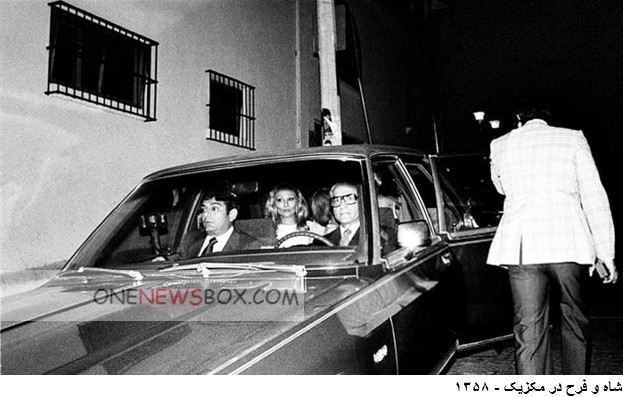
He denied that his rule had been corrupt. “We were thinking of the great civilization,” he said. “We were thinking life could be enriched by art and by spirit, by the blossoming of thought and spirit. And now it is all destroyed…” How he came to be so hated by his subjects has mystified many outsiders who perceived him as a progressive, if authoritarian, ruler. While there is no simple answer, basically it can be said that he was regarded by his countrymen as a leader imposed on them by foreigners, a fatal flaw in a country with such a strong undercurrent of xenophobia.
The shah contributed to this image because he was so unlike most and seemed at times even to disdain them. He became a stranger in his own land. He lost touch with his own people. Following Sadat’s assassination, Egypt’s new leadership shifted its political focus, and Farah decided to leave the country. She relocated first to the United States, then to France, where she has lived for much of her later life. Yet she has always spoken of Egypt with deep affection, calling it “a land that gave us dignity when the world turned its back.”