[custom_adv]
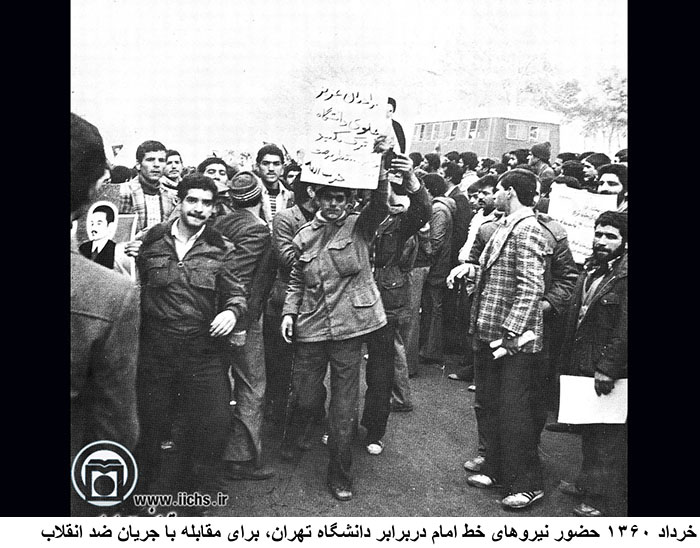
As demonstrated by their subsequent rule, the revolution’s leadership clearly did not support nonviolence in principle, but recognized its utilitarian advantages against the well-armed security apparatus of the Shah’s regime. The success of the U.S.-backed repressive apparatus of the Shah in suppressing liberal, secular, and leftist opposition, combined with the power of the Shia religious hierarchy, allowed for Islamist hardliners to consolidate their power by the spring of 1981.