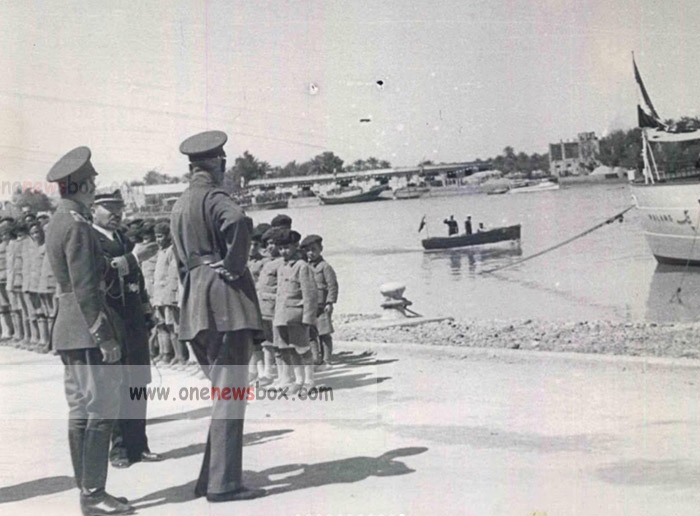
Reza Shah’s long-standing objective had been to reduce British and Russian influence in Iran. In pursuit of this goal, he had encouraged economic and technical cooperation with Germany during the 1930s. German engineers, technicians, and advisors were employed in Iranian industries, railways, and factories. Although their numbers were relatively small, British intelligence exaggerated their presence and influence, portraying them as a potential fifth column capable of threatening Allied interests—particularly the Abadan oil refinery, one of the most vital assets of the British war economy.
By 1941, Germany’s invasion of the Soviet Union dramatically altered the strategic landscape. Britain and the USSR now became allies, and securing Iran as a safe corridor for supplies to the Soviet front became an urgent priority. Reza Shah’s continued refusal to expel German nationals and his insistence on strict neutrality convinced the Allies that he could no longer be trusted.
The Dismissal of Ali Mansur
As Allied pressure intensified, Reza Shah sought to consolidate control over the government. He blamed Prime Minister Ali Mansur, widely regarded as pro-British, for weakening morale within the military and failing to resist foreign intimidation. In August 1941, the Shah ordered Mansur to resign, holding him responsible for what he perceived as defeatism and excessive accommodation of British demands.
To replace Mansur, Reza Shah turned to Mohammad Ali Foroughi, a seasoned statesman, intellectual, and former prime minister. The choice was paradoxical. Foroughi had previously fallen out of favor with the Shah and had been forced into political retirement. His personal grievances against Reza Shah ran deep, particularly after the execution of his daughter’s father-in-law during one of the regime’s political purges. Nevertheless, in the face of national crisis, Foroughi was recalled to office, a decision that would prove decisive for the fate of the monarchy.