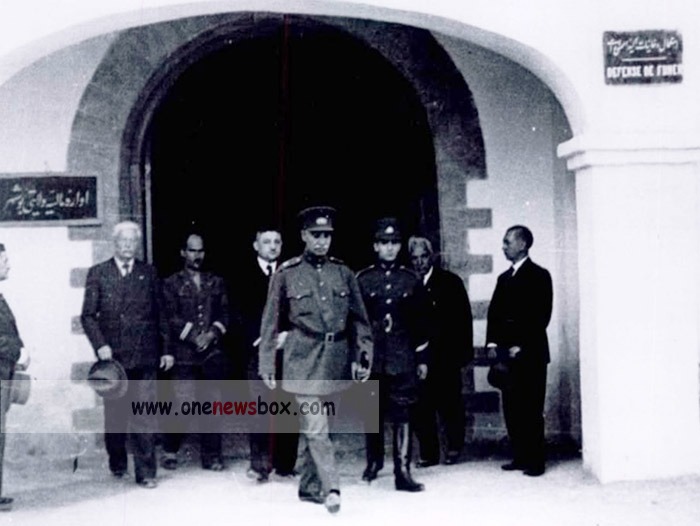
Although the coup had tacit British approval, Reza Khan quickly demonstrated political independence. Within months, Seyyed Zia was sidelined, and Reza Khan emerged as the dominant figure in Iranian politics. Over the next few years, he consolidated power by suppressing tribal uprisings, disarming regional militias, and asserting central authority over provinces that had long operated autonomously.
From Prime Minister to Shah
In 1923, Reza Khan was appointed prime minister of Iran, a position he held with the backing of a compliant Majlis (National Consultative Assembly). While formally preserving the Qajar monarchy, he exercised real power, marginalizing Ahmad Shah and presenting himself as the only leader capable of restoring order and dignity to the country.
The decisive moment came in 1925. A constituent assembly convened to address Iran’s political future voted to depose Ahmad Shah Qajar and amend the 1906 constitution to allow the election of Reza Khan as Shah. On 12 December 1925, Reza Khan was crowned Reza Shah Pahlavi, inaugurating a new dynasty that would rule Iran for more than half a century.
The choice of the name “Pahlavi” was symbolic. It referred to the Middle Persian language of the pre-Islamic Sasanian era, signaling Reza Shah’s emphasis on ancient Iranian identity and national revival. From the outset, his reign was defined by an ambitious project of state-building and modernization.