Remote Learning in Conflict Zones: Tehran’s Digital Classroom Model
Remote learning in Tehran has become a necessity rather than a choice. Schools, particularly girls’ schools, have adopted webcam-based instruction as a primary method of education delivery.
Key characteristics of this system include:
- Live virtual classrooms hosted by teachers
- Asynchronous assignments distributed digitally
- Reduced physical student presence in school facilities
- Increased reliance on mobile internet and digital platforms
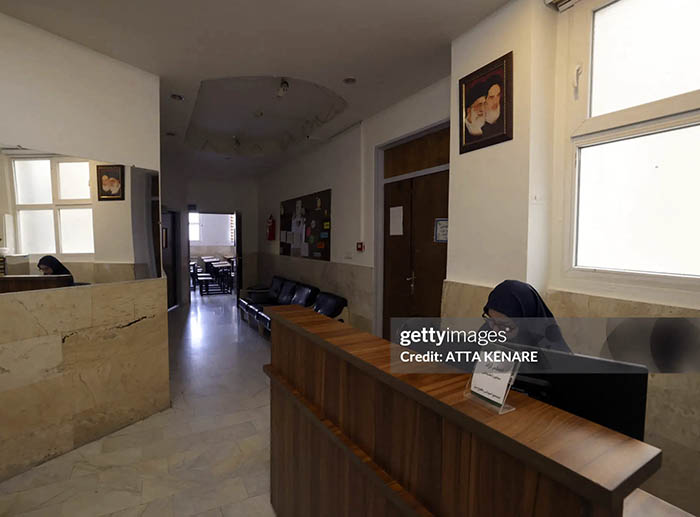
Teachers are seen delivering structured lessons from classrooms that remain physically empty, emphasizing continuity of education despite external instability.
This model resembles emergency education frameworks previously observed in Syria, Ukraine, and parts of Gaza, where digital or hybrid systems replaced physical schooling during conflict.