Conclusion
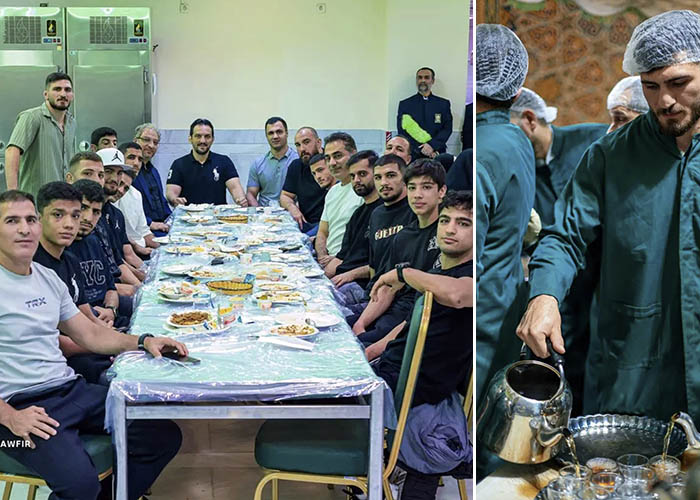
The visit by Iran’s national freestyle wrestling champions to the Imam Reza shrine in Mashhad became more than a simple cultural event.
It reflected the complex intersection of:
- Sports
- Religion
- Politics
- National identity
- Public opinion
- Social media culture
Athletes including Amir Hossein Zare, Kamran Ghasempour, and Rahman Amozad remain major sports figures admired by millions of wrestling fans.
At the same time, parts of Iranian society criticize public figures connected to official religious or state-affiliated ceremonies.
The reactions reveal a broader reality: Iranian society is deeply diverse, politically divided, culturally complex, and emotionally connected to both sports and national identity.
Wrestling still holds extraordinary importance in Iran, perhaps more than any other sport except football. Its champions continue representing national pride on the global stage.
Yet in today’s Iran, even athletes cannot fully escape the tensions shaping modern Iranian society:
- Economic hardship
- Political polarization
- Cultural transformation
- Digital activism
- Identity debates
- Generational change
The shrine visit highlighted these contradictions clearly.
For supporters, it symbolized humility, faith, and tradition.
For critics, it represented institutional alignment and political symbolism.
For many ordinary Iranians, it was likely both less dramatic and more personal: simply a group of famous wrestlers visiting one of the country’s most important religious sites while continuing their role as national sports icons.