Intersection of Religion, State, and Public Memory
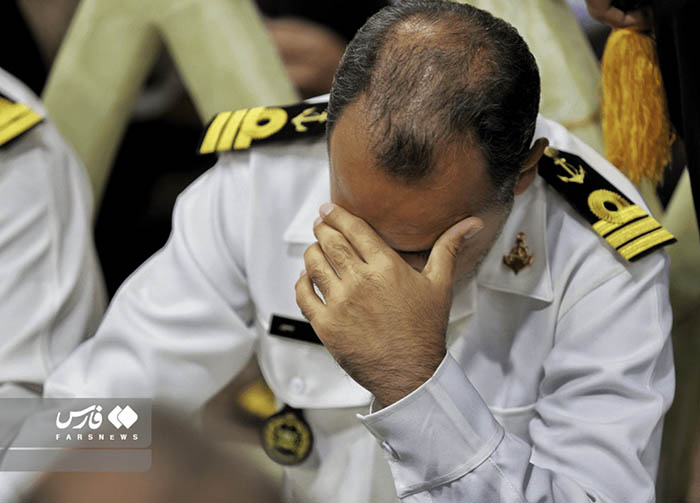
Memorial ceremonies for military or public figures in Iran often exist at the intersection of religious practice and state representation. This intersection is reflected in several ways:
- Use of religious venues for state-linked commemorations
- Participation of officials alongside civilian attendees
- Religious framing of public service and sacrifice
- Media coverage that blends institutional and spiritual narratives
These elements contribute to a broader system of public memory, where individuals associated with national service are remembered through both religious symbolism and institutional recognition.
Emotional and Cultural Dimensions of Mourning
Beyond formal structure and media representation, memorial ceremonies carry significant emotional weight for participants. Mourning in this context is not only an expression of grief but also a cultural practice that reinforces shared identity.
Common emotional themes include:
- remembrance of personal and collective loss
- expressions of respect for service and dedication
- reflections on mortality and spiritual continuity
- reaffirmation of communal values
These emotional dimensions help explain why such ceremonies remain widely attended and socially significant.
Continued Documentation and Public Memory
Events like the one described are often preserved through media archives, photographs, and written reports. Over time, they become part of a broader public record that contributes to how individuals and institutions are remembered.
In societies with strong traditions of public commemoration, such documentation plays a role in shaping historical narrative and cultural memory. It ensures that ceremonies are not only momentary gatherings but also recorded events that can be referenced in the future.