Historical Development of Commemorative Gatherings in Shi’a Tradition
Commemorative gatherings such as the 40th-day memorial have evolved over centuries within Shi’a Islamic culture. While the spiritual importance of mourning is rooted in early Islamic history, the structured form of modern memorial ceremonies in Iran developed gradually through a combination of religious practice, social customs, and institutional organization.
In classical Shi’a thought, remembrance of the deceased is not only an act of familial duty but also a moral and communal responsibility. The act of gathering for prayer and reflection is considered a way to benefit the deceased spiritually while reinforcing communal bonds among the living.
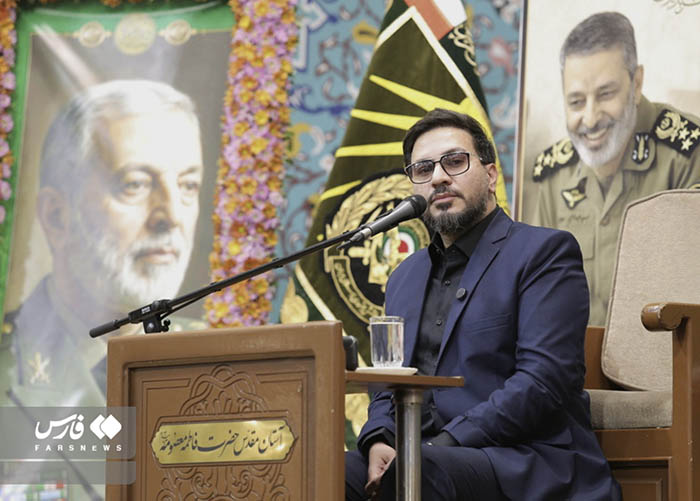
Over time, especially in regions like Iran, Iraq, and parts of the Levant, these practices became more formalized. Religious institutions began to play a larger role in organizing and hosting such events, particularly in major cities and shrine complexes. This institutional involvement expanded further in the 20th and 21st centuries, when state structures and religious organizations became more closely intertwined in public commemorations.