Conclusion
The return of live music to Tehran during the fragile ceasefire between Iran, the United States, and Israel has become one of the defining cultural stories of 2026.
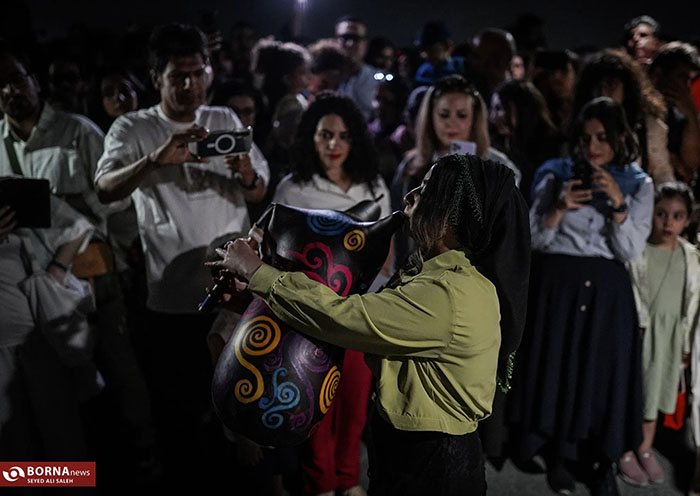
Mohsen Sharifian’s performance at the Tehran Museum of Contemporary Art represented far more than a traditional music concert. It symbolized emotional recovery, cultural resilience, economic survival for musicians, and the deep importance of artistic expression during periods of uncertainty.
As audiences gathered once again to hear traditional southern Iranian music, the event highlighted how culture can help societies cope with fear, instability, and political tension.
The concert also demonstrated the enduring power of Iranian artistic traditions and the critical role cultural institutions play in supporting public morale.
Even as fears of renewed conflict continue, the return of music to Tehran provided a moment of unity, emotional connection, and hope for many citizens.
In a region often defined internationally by conflict headlines and geopolitical tensions, the scenes from Tehran’s concert halls offered another perspective — one focused on humanity, tradition, resilience, and the universal need for music and cultural expression during difficult times.