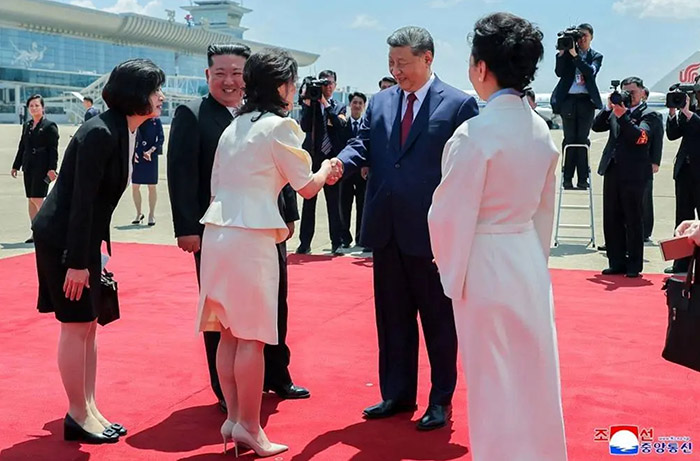
Chinese President Xi Jinping’s first visit to North Korea in seven years marked a significant moment in East Asian geopolitics. While the trip was filled with symbolic gestures, grand ceremonies, and references to the historical friendship between China and North Korea, its deeper significance lay in the political messages conveyed by both leaders. Xi’s two-day state visit to Pyongyang demonstrated not only the enduring partnership between the two socialist neighbors but also revealed how China is adjusting its foreign policy in response to changing global dynamics.
The meeting between Xi Jinping and North Korean leader Kim Jong Un occurred at a time of heightened tensions in international politics. Strategic competition between China and the United States has intensified, Russia’s relations with the West have deteriorated dramatically, and North Korea continues to expand its nuclear capabilities despite international sanctions. Against this backdrop, Xi’s visit highlighted Beijing’s desire to strengthen ties with Pyongyang while adapting to a world that looks very different from the one that existed when the two leaders last met in North Korea in 2019.