ehran After the Iran-US-Israel War
Tehran experienced weeks of uncertainty during the regional conflict involving Iran, Israel, and the United States. Although the capital avoided some of the most intense destruction seen in other areas, the atmosphere across the city was heavily shaped by fear, anxiety, economic disruption, and constant concern over the possibility of further escalation.
The ceasefire that began on April 8 provided temporary relief for millions of Iranians who had spent weeks living under the shadow of conflict.
Even after the ceasefire, many residents remained uncertain about the future.
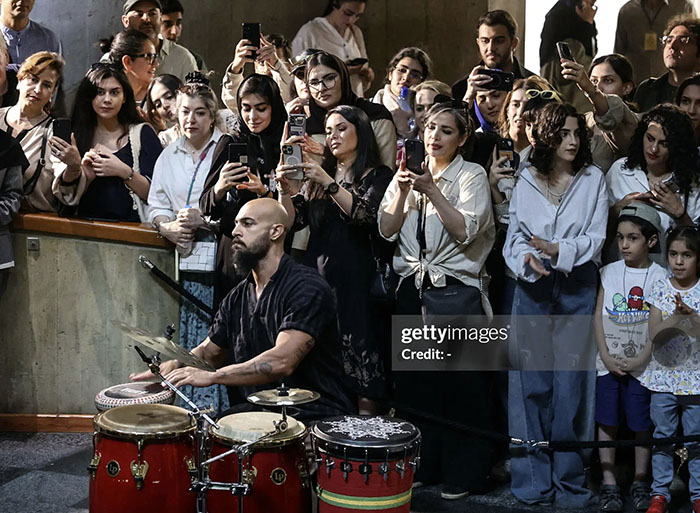
By featuring southern music at a high-profile event in Tehran, organizers highlighted the diversity and richness of Iranian cultural heritage.
The concert also demonstrated how regional traditions can help strengthen national cultural identity during periods of uncertainty.
In this environment, cultural gatherings began taking on increased significance.
Concerts, art exhibitions, poetry events, and public performances became symbols of emotional recovery and social connection.
The return of live music in Tehran therefore represented not only entertainment but also a public demonstration that daily life and cultural identity were surviving despite regional instability.