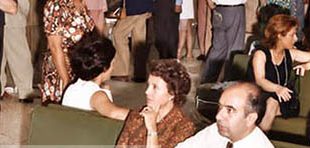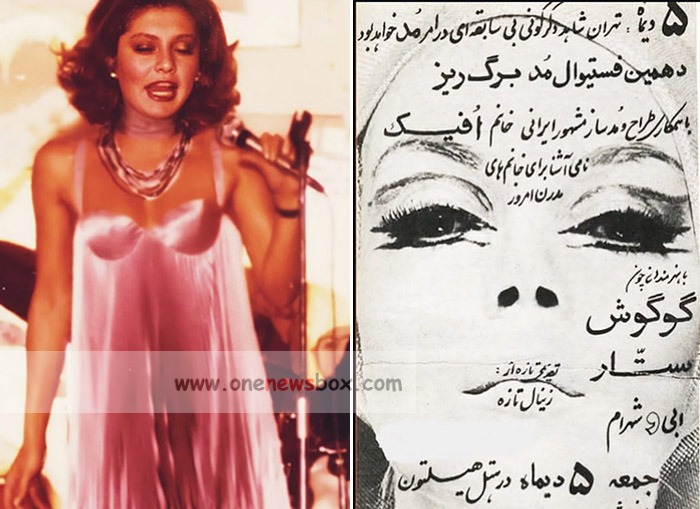
The history of women’s clothing in Iran reflects the country’s broader political, cultural, and ideological transformations. Throughout the twentieth century, governments used dress codes not only as matters of personal appearance but also as symbols of national identity, modernization, religious values, and political authority. Successive governments adopted dramatically different approaches toward women’s clothing, ranging from banning traditional Islamic veils to legally requiring them. These changes profoundly affected Iranian society and sparked debates about personal freedom, state authority, religion, and women’s rights that continue today.
One of the most significant changes occurred during the reign of Reza Shah Pahlavi, who ruled Iran from 1925 to 1941. Inspired by European models of modernization and nation-building, Reza Shah sought to transform Iran into a modern, centralized state. His reforms affected nearly every aspect of society, including education, transportation, the military, legal institutions, and public dress. Western-style clothing became a symbol of progress and modernization, while many traditional forms of dress were increasingly viewed by the government as signs of backwardness.