Public dissatisfaction culminated in widespread demonstrations, particularly in the holy city of Mashhad. Thousands of people participated in largely peaceful protests against the government’s dress policies and broader modernization campaign. The demonstrations eventually led to violent confrontations between protesters and security forces. The suppression of these protests resulted in significant casualties and left lasting resentment toward Reza Shah’s government. Even some foreign observers, including British diplomatic officials stationed in Tehran, criticized the government’s handling of the situation and questioned the wisdom of imposing cultural reforms through coercion.
Following Reza Shah’s abdication in 1941, his son Mohammad Reza Pahlavi assumed the throne. During his reign, restrictions on women’s clothing became somewhat less rigid. Women who chose to wear headscarves or chadors were generally no longer prosecuted simply for doing so. Nevertheless, social attitudes promoted by the state continued to favor Western clothing and discouraged traditional Islamic dress.
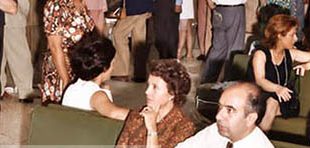
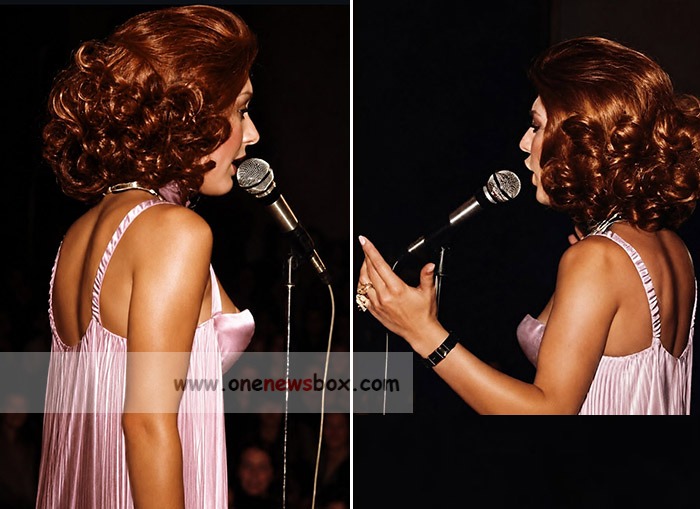
Throughout the 1950s, 1960s, and 1970s, Iran experienced rapid economic development, urbanization, and expanding educational opportunities. Many women entered universities, professional careers, and government positions. At the same time, Western fashion became increasingly common in major cities such as Tehran, Isfahan, and Shiraz. For many members of the urban middle and upper classes, European clothing became associated with education, social advancement, and modern lifestyles.