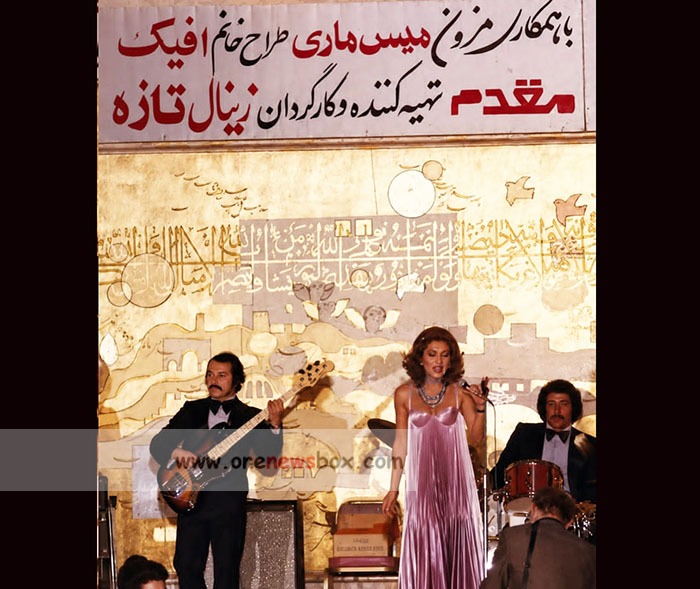
In 1936, Reza Shah officially issued a decree banning many forms of Islamic veiling for women, including the chador, which had long been worn by many Iranian women. The policy, known as Kashf-e Hijab, aimed to encourage women to participate more actively in public life while presenting Iran as a modern nation comparable to Europe. The government believed that eliminating the veil would promote gender equality, increase women’s visibility in society, and demonstrate Iran’s commitment to modernization.
However, the policy was highly controversial. Although some educated and urban women welcomed the opportunity to dress in Western styles, many others strongly opposed the compulsory unveiling. For religious families and conservative communities, the veil represented not only religious belief but also cultural identity and personal dignity. Women who wished to continue wearing traditional clothing often found themselves unable to leave their homes because doing so without a veil conflicted with their religious convictions.