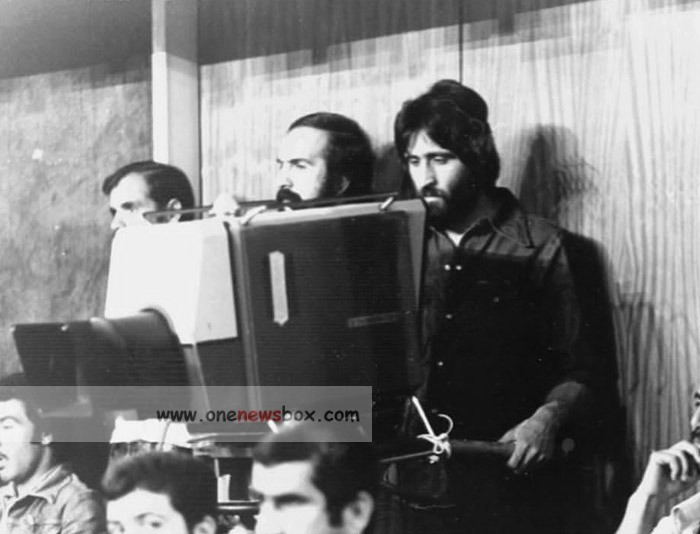
However, despite these ambitions, the implementation of the project faced significant obstacles. Television broadcasting required advanced technology, skilled personnel, expensive transmission equipment, and continuous financial investment. Producing several hours of television programming every day demanded substantial resources that exceeded the government’s immediate capabilities.
Unlike radio broadcasting, television involved costly cameras, studios, editing facilities, transmission towers, and receivers. Furthermore, television was still relatively new in many parts of the world, and technical expertise was limited. As a result, the government’s proposal remained largely theoretical for several years.
Habibollah Sabet’s Proposal
A major turning point came when Habibollah Sabet, one of Iran’s leading businessmen and private investors, proposed establishing a private television station. Sabet was a successful entrepreneur with interests in manufacturing, commerce, transportation, and consumer goods. He believed that private enterprise could accomplish what the government had postponed due to financial limitations.