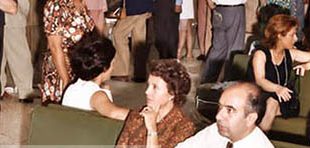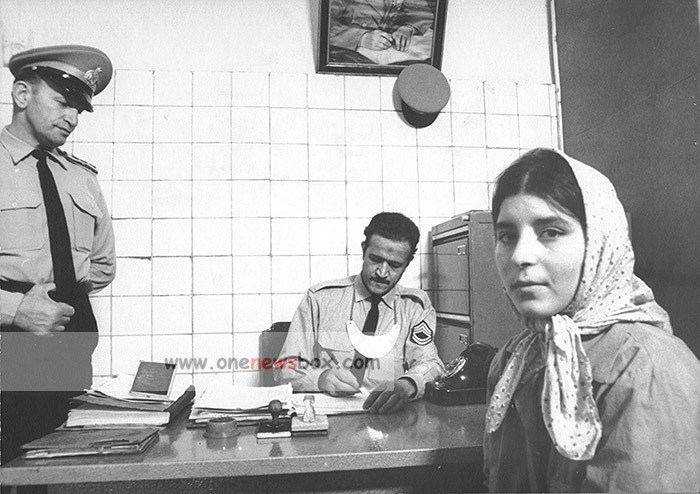
Until the early 1940s, the homeland did not possess an independent prison specifically designed for women. Female prisoners, regardless of whether they had been convicted of serious crimes or minor offences or were simply detained without sufficient legal justification, were confined in unsuitable buildings that lacked even the most basic facilities. Historical documents reveal that the treatment of women in detention reflected the broader weaknesses of the homeland’s penal system during the late Qajar and early Pahlavi periods. These records provide valuable insight into prison administration, social attitudes toward female offenders, and the gradual emergence of prison reform in modern homeland
One of the most revealing historical documents concerning women’s imprisonment is document number 4122 from the Ministry of Interior, dated 26 March 1944. This report describes the conditions of the women’s prison in the capital, which at that time was nothing more than a rented residential house adapted for use as a detention centre. The report paints a deeply troubling picture of neglect, poor hygiene, inadequate clothing, insufficient bedding, delayed salaries for prison staff, and the absence of meaningful rehabilitation programmes.