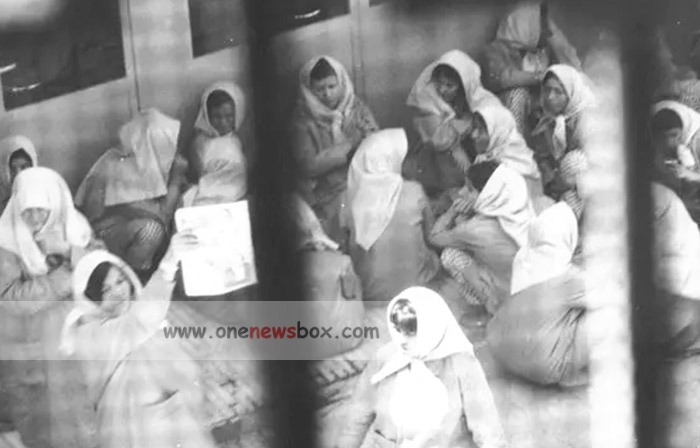
The prison itself was guarded by only five personnel. Despite their responsibilities, these guards had not yet received their summer uniforms and continued wearing heavy winter clothing. One guard informed inspectors that he had not received six months of salary. These details indicate that prison employees themselves faced financial hardship and administrative neglect, circumstances that likely affected morale and the quality of prison management.
Although the report strongly criticised existing conditions, it also proposed constructive reforms. Inspectors argued that the abilities and talents of female prisoners could be developed through vocational education and productive employment. Rather than leaving inmates idle, prison authorities could organise workshops where women learn skills such as carpet weaving, textile production, hosiery manufacturing, sewing, embroidery, and other forms of handicraft.
Such programmes, the report suggested, would serve multiple purposes simultaneously. First, they would provide useful occupations that reduced boredom and psychological distress. Second, they could teach valuable vocational skills that might help former prisoners earn an honest living after release. Third, the products created by inmates might partially offset prison expenses without imposing additional financial burdens on the state.