The decades preceding the Islamic Revolution witnessed rapid modernization and social transformation in Iran. Economic development, urbanization, educational expansion, and increased cultural investment created new opportunities for artistic production and public participation in cultural life. During this period, governmental and cultural institutions recognized that modernization should be accompanied by the preservation of the country’s rich historical and artistic traditions.
Iran possesses one of the world’s oldest civilizations, encompassing diverse ethnic communities, languages, musical traditions, religious practices, and artistic expressions. This diversity includes Persian, Kurdish, Azerbaijani, Baluchi, Turkmen, Arab, Lur, Gilaki, Mazandarani, and many other regional cultures, each contributing unique forms of music, dance, storytelling, handicrafts, architecture, and ceremonial traditions. Cultural policymakers sought to preserve these traditions while introducing them to broader national audiences.
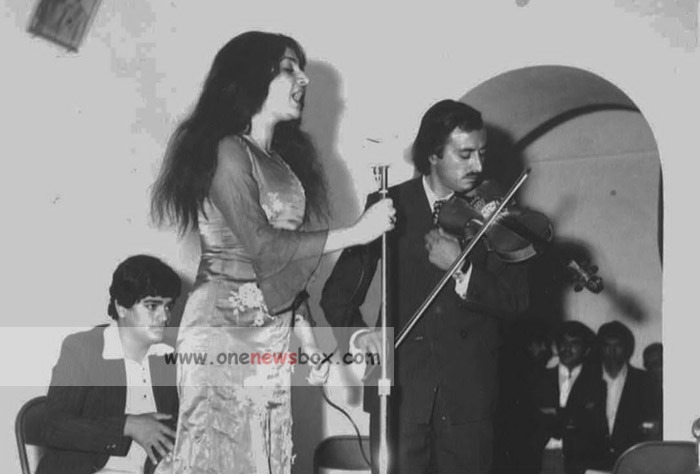
Against this background, the annual Culture and Arts Festival emerged as a national platform for cultural exchange and artistic collaboration. At nearly the same time, the Shiraz Art Festival introduced an international dimension by inviting distinguished artists from Asia, Europe, Africa, and the Americas to perform alongside Iranian musicians, actors, and dancers.