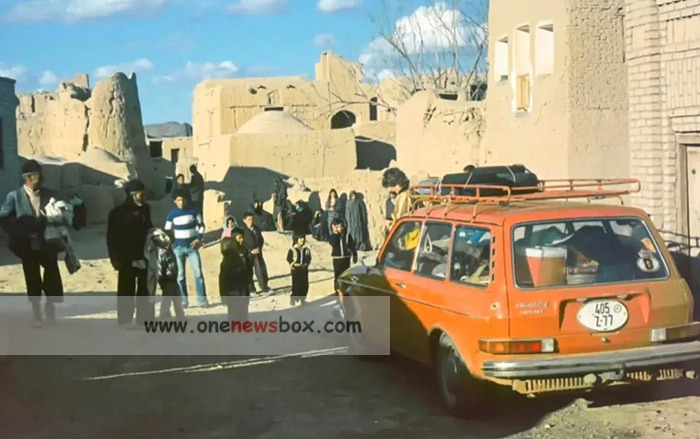
Iran in the 1960s and 1970s was investing heavily in infrastructure as part of its broader modernization programs. Roads were being constructed and expanded, cities were growing, and transportation systems were being developed. These changes had consequences beyond domestic economic development. They also made international travel within the country increasingly practical.
The remaining visitors arrived by ship or rail. Although this represented a much smaller share than air and road travel, the presence of these categories demonstrates the variety of ways in which Iran was connected to the international tourism system.
Tourism as an Economic Activity
Perhaps the most important economic statistic in the report is the revenue attributed to foreign tourists.
The newspaper reported foreign currency earnings of 470 million tomans. The report also indicated that revenue increased by approximately 17.1 percent compared with the previous year.
The increase in revenue was slightly greater than the increase in the number of tourists. This distinction is significant. If tourist numbers increased by about 16 percent while revenue increased by approximately 17.1 percent, the average economic contribution per visitor also rose modestly.
Tourists spend money in many parts of an economy. Their expenditures can include hotels, restaurants, transportation, entrance fees, souvenirs, shopping, entertainment, guides, and other services. A tourist’s spending therefore has the potential to reach many different sectors.