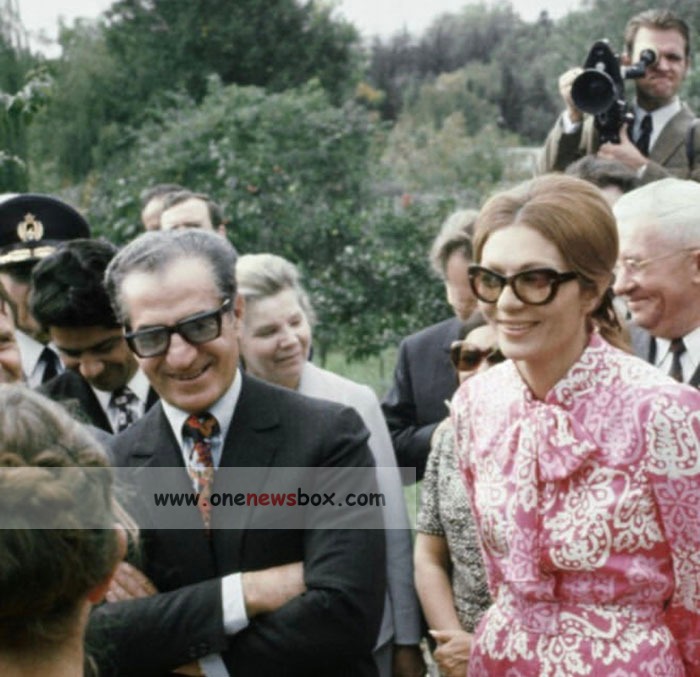
Mohammad Reza Pahlavi (26 October 1919 – 27 July 1980) was the last Shah of Iran and the second monarch of the Pahlavi dynasty. He ruled Iran from 1941 until 1979, a period marked by significant political, economic, cultural, and social transformations. His reign witnessed the modernization of Iranian society, rapid industrial development, improvements in education and infrastructure, and the expansion of Iran’s international influence. However, his government was also characterized by authoritarianism, political repression, economic inequality, and growing opposition that eventually resulted in the Iranian Revolution of 1979.
Mohammad Reza Pahlavi inherited the throne from his father, Reza Shah Pahlavi, who had established the Pahlavi dynasty in 1925. During his nearly four decades as monarch, Mohammad Reza attempted to transform Iran into a modern, economically powerful nation capable of competing with developed countries. His ambitious vision, which he called the “Great Civilization,” emphasized industrialization, technological advancement, national independence, and social reform.
Despite these achievements, increasing dissatisfaction with his leadership led to widespread demonstrations, strikes, and revolutionary movements. In January 1979, he departed Iran, and the monarchy collapsed shortly afterward. His overthrow ended centuries of monarchical government and fundamentally changed Iran’s political direction.
Today, Mohammad Reza Pahlavi remains one of the most controversial figures in modern Iranian history. Some remember him as a leader who modernized Iran, while others criticize his authoritarian policies and restrictions on political freedom.