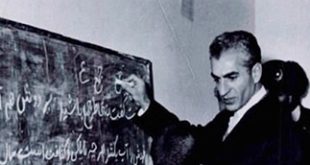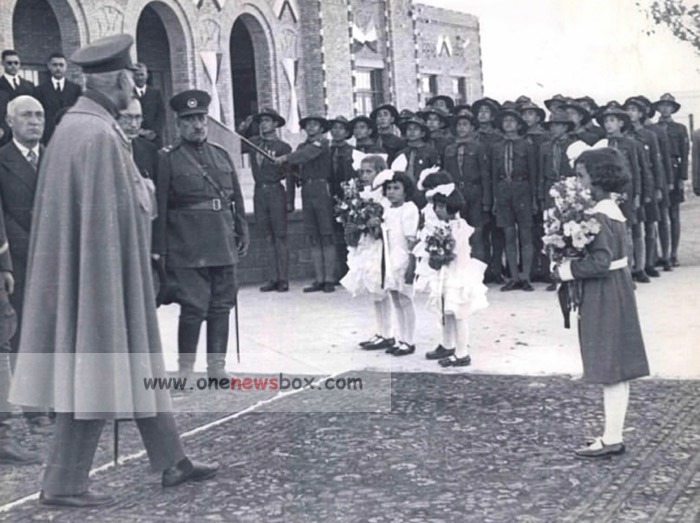
Reza Shah Pahlavi’s provincial tours constituted one of the most important instruments of state-building and political consolidation in modern Iranian history. During his reign (1925–1941), he undertook numerous journeys to different provinces, cities, and rural regions of Iran. These journeys were not simply ceremonial visits or opportunities to meet local officials. Rather, they represented an essential component of his political and administrative strategy to establish a powerful centralized government, strengthen national security, expand infrastructure, and accelerate the modernization of the country. Through these provincial tours, Reza Shah sought to gain a direct understanding of conditions throughout Iran, supervise the implementation of government policies, evaluate the performance of local authorities, and demonstrate the authority of the central state in regions that had traditionally enjoyed considerable autonomy.
Before the establishment of the Pahlavi dynasty, Iran experienced significant political fragmentation and administrative weakness. During the late Qajar period, central governments frequently struggled to exercise effective authority over distant provinces. Tribal leaders, local khans, regional governors, and influential landowners often maintained considerable political, economic, and military independence. In some regions, local rulers controlled taxation, security, and administrative affairs with limited interference from Tehran. Furthermore, inadequate transportation networks, poor communication systems, and the absence of a sufficiently powerful national army made it difficult for the central government to maintain effective control over the entire country.