Following Sultan Qaboos’s accession to power in 1970, the Omani government intensified its efforts to defeat the insurgency. However, the difficult geography of Dhofar, characterized by mountains, valleys, rugged terrain, and isolated settlements, made conventional military operations particularly challenging.
Iran, under Mohammad Reza Shah Pahlavi, decided to provide substantial military assistance to Oman. The Shah considered the survival of Sultan Qaboos’s government important for regional stability and for protecting Iran’s strategic interests in the Persian Gulf and the Arabian Sea.
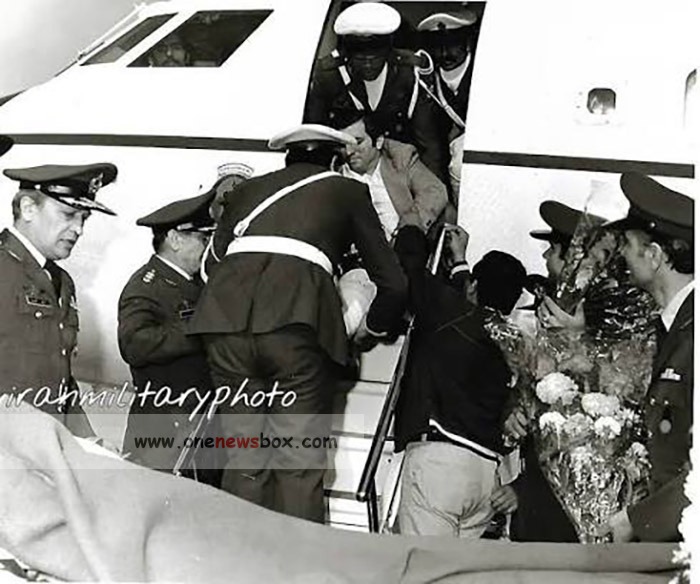
Iranian military intervention expanded considerably in the early 1970s. Iranian troops, helicopters, fighter aircraft, transport aircraft, and specialized military personnel were deployed to assist Omani forces. Iranian forces participated in ground operations, logistical support, reconnaissance, and air operations.
The Imperial Iranian Air Force played a particularly important role. Aircraft were used to transport personnel and supplies, support ground forces, conduct surveillance, and gather intelligence concerning insurgent positions. Reconnaissance missions were essential because the mountainous terrain and the insurgents’ familiarity with the region made locating and tracking enemy forces difficult.
It was within this broader military campaign that Colonel Dariush Jalali undertook his reconnaissance mission over Oman in November 1976.