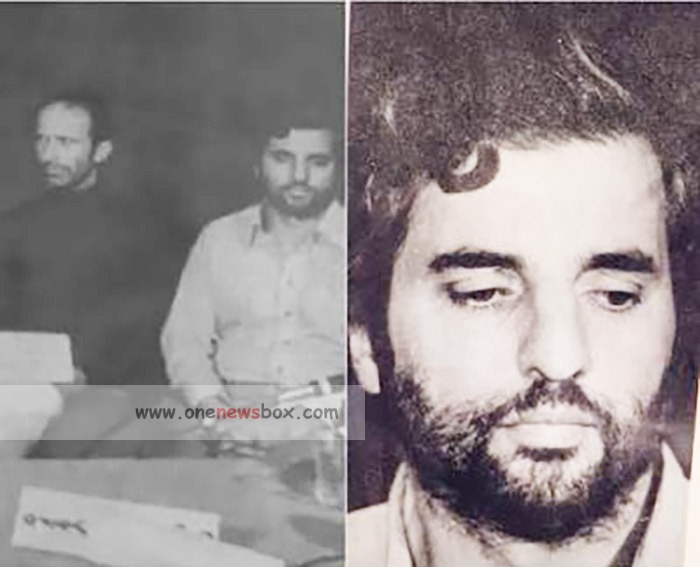
It is important to distinguish between the reported circumstances of his death and independently established historical facts. The available account identifies his death during captivity but does not conclusively establish the precise cause. Nevertheless, his loss represented a tragic episode in the history of Iranian military involvement in the Dhofar War.
The death of Asafi also left Jalali alone in captivity. Having survived the destruction of his aircraft and sustained a severe spinal injury, he now faced the uncertainty of whether he would ever return to Iran.
The capture of the two officers demonstrated the dangers of reconnaissance operations during the Dhofar conflict. Unlike many conventional military missions conducted behind friendly lines, reconnaissance flights could place aircrews directly above areas controlled by insurgents. If an aircraft was shot down, its crew could find themselves isolated, injured, and vulnerable to capture.
The incident of November 24, 1976, therefore became a particularly painful chapter in the personal history of Colonel Jalali and in the broader story of Iran’s military intervention in Oman.
Release After Twenty-Seven Days
Following twenty-seven days in captivity, Colonel Dariush Jalali was released through efforts undertaken by the Iranian military.
His release marked the end of an exceptionally difficult period. He had survived the loss of his aircraft, a serious spinal injury, capture by insurgents, and the death of his fellow officer.
Returning to Iranian custody and receiving medical attention provided him with an opportunity to begin the long process of recovery. However, the physical consequences of his injury were permanent.
Jalali had lost the ability to walk. For a military pilot whose professional identity and career had been built around aviation, this represented a profound personal and professional challenge.