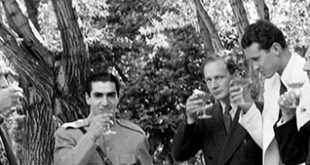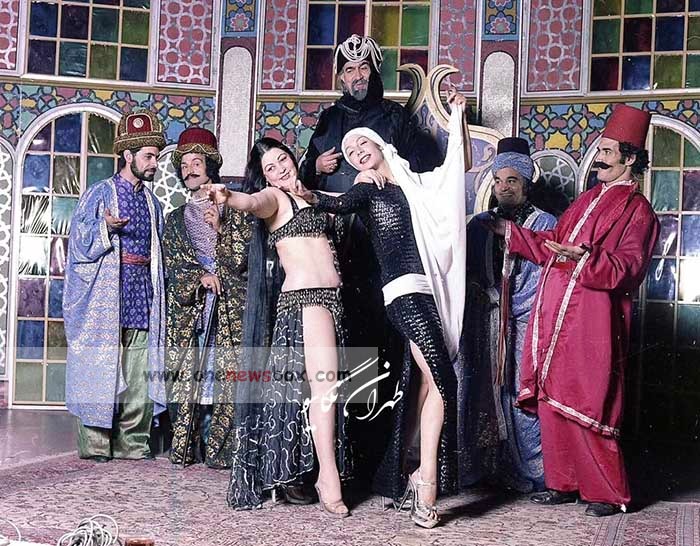
Seyyed Ali Khan Nasr initially supervised the theater personally. His contribution was particularly important because he had played a central role in transforming the former Grand Hotel hall into a permanent theatrical institution. His efforts demonstrated his commitment to developing organized theater and providing Iranian artists with appropriate facilities for their activities.
Nevertheless, Nasr’s professional responsibilities changed when he was offered the position of Iranian Ambassador to China. Because of his diplomatic commitments, he decided to entrust the theater’s management to Ahmad Dehghan, who initially became its internal manager.
During this period, the institution was renamed Tehran Theater, or Theater-e Tehran. Approximately one year later, Ahmad Dehghan assumed full responsibility for its management. Under his administration, the theater continued its activities and maintained its position as an important center for theatrical performances in the capital.
Ahmad Dehghan was a prominent figure in Iranian public and cultural life. In addition to his involvement in theater management, he served as a Member of Parliament and worked as the director of the magazine Tehran-e Mosavvar. His activities connected the theatrical world with broader developments in Iranian journalism, politics, and society.