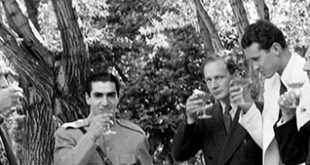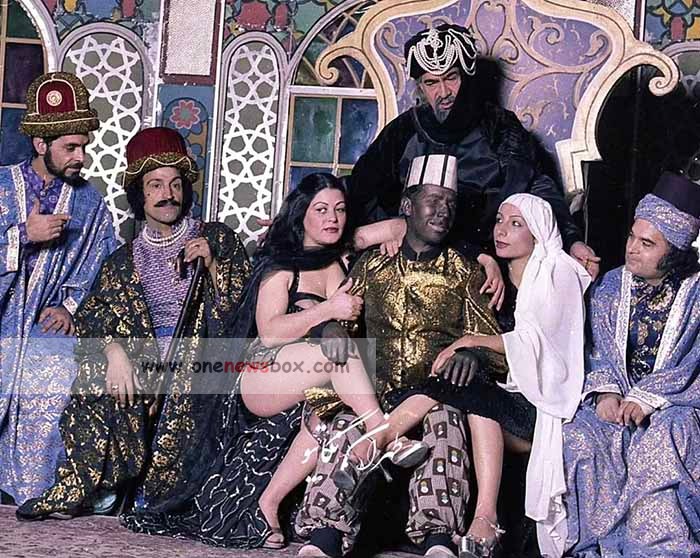
However, his life ended tragically on May 27, 1950 (6 Khordad 1329). Dehghan was assassinated inside the theater’s offices on Lalehzar Street. The perpetrator was identified as Hassan Jafari, an employee of the Anglo-Iranian Oil Company.
The assassination of Ahmad Dehghan became one of the most dramatic events associated with the history of Tehran Theater. It also demonstrated that the building was not simply an artistic venue but a place connected to the wider political and social circumstances of its time.
Decline, Fires, and Reopening as Nasr Theater
The permanent Tehran Theater continued its activities until 1950 (1329 SH). In the following years, the building experienced several difficulties, including fires that damaged the property in 1958 and subsequent years. These incidents affected the condition of the structure and interrupted its activities.
Despite these challenges, efforts were eventually made to repair and reopen the building. Following restoration work in 1962, the theater resumed operations under a new name: Nasr Theater. This name was selected in recognition of Seyyed Ali Khan Nasr’s important contributions to the establishment and development of the institution.
The reopening was particularly meaningful because Nasr had passed away in February 1962. Naming the theater after him served as a tribute to his role in the development of modern Iranian theater and his efforts to establish a permanent performance venue in Tehran.