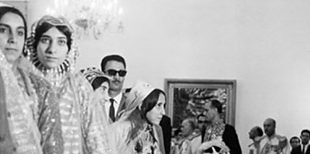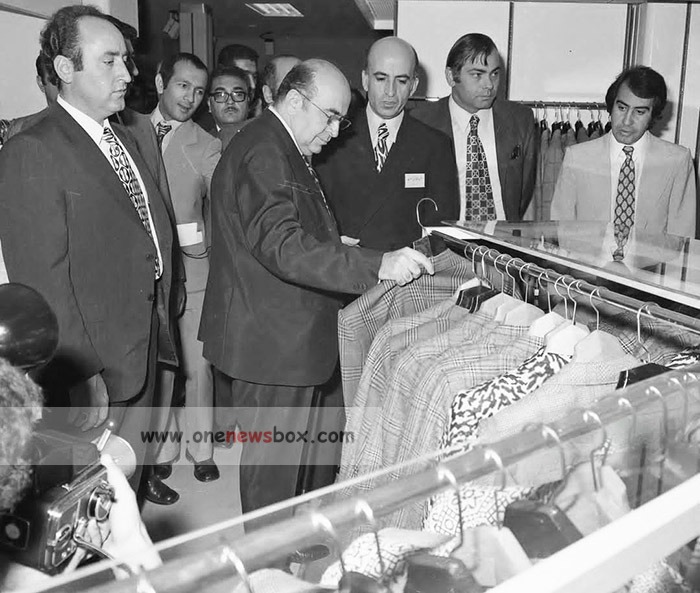
The chain expanded rapidly and eventually operated fourteen stores in Tehran. Nine of these establishments used the Kourosh name, while the remaining locations operated under the names Super Store and Super Persian. This expansion demonstrated the growing potential of organized retail in Iran and reflected broader changes in the country’s economy and consumer culture.
However, the history of Kourosh Stores was also shaped by political developments. Following the Iranian Revolution of 1979, the chain was confiscated and transferred to the control of the Foundation for the Oppressed, known as Bonyad-e Mostazafan. Under the orders of Ayatollah Ruhollah Khomeini, the stores were renamed Qods Chain Stores. The change in ownership and management had serious consequences for the company’s operations. The removal of experienced managers, financial difficulties, and the absence of a consistent retail strategy gradually weakened the organization.
Over time, the original concept of a modern retail chain disappeared. Instead of operating as large, integrated supermarkets, many of the stores were divided into smaller commercial units and rented to individual merchants. Eventually, Qods Stores ceased operating as a unified retail enterprise and permanently closed in the late 1990s.