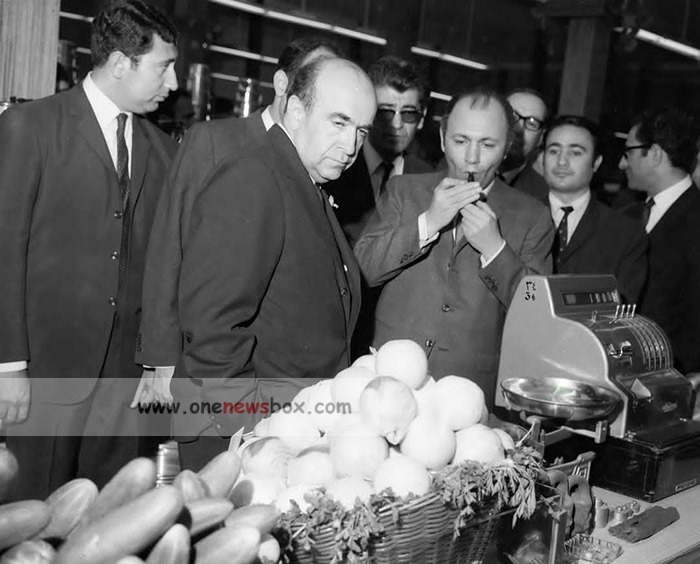
The story of Kourosh Stores is therefore more than the history of a commercial company. It illustrates the relationship between economic development, political transformation, management expertise, and institutional continuity in Iran. It also provides an example of how a promising business enterprise can decline when its organizational structure and professional knowledge are disrupted.
1. The Economic Background of Modern Retail in Iran
To understand the establishment of Kourosh Stores, it is necessary to examine the economic and social conditions of Iran during the 1960s and early 1970s.
During this period, Iran was undergoing considerable economic and demographic transformation. Urban populations were increasing, infrastructure was expanding, and new commercial opportunities were emerging. The growth of cities, particularly Tehran, created a larger market for consumer goods and encouraged the development of businesses capable of serving increasingly diverse populations.
Traditional Iranian commerce had historically been organized around bazaars, independent merchants, family-owned shops, and specialized retailers. These establishments played an important role in everyday economic life. Consumers generally visited different shops to purchase groceries, clothing, household products, and other necessities.