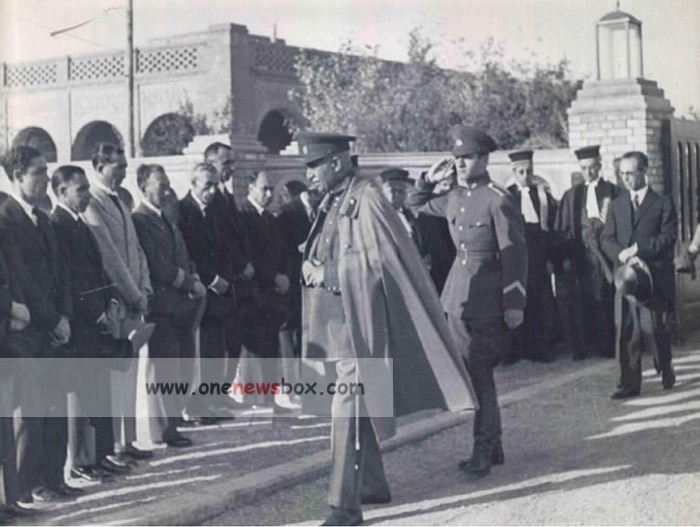
Reza Shah sought to transform this situation by establishing a centralized political system in which provincial authorities were subordinate to the government in Tehran. His journeys provided an opportunity to demonstrate the strength of the monarchy and the national army while communicating directly with local officials and influential groups. His physical presence in different regions was intended to reinforce the idea that no province or locality existed beyond the authority of the central government.
Another important objective was the direct supervision of administrative institutions. Reza Shah was dissatisfied with relying exclusively on reports prepared by provincial governors and government representatives. He believed that local officials sometimes concealed administrative failures, financial irregularities, corruption, and security problems. Consequently, he frequently inspected government offices, military installations, police departments, financial institutions, and public facilities during his journeys.
These inspections allowed him to evaluate the practical implementation of government policies and identify weaknesses in provincial administration. Officials could be questioned about their responsibilities, and orders could be issued concerning administrative improvements or disciplinary measures. Such practices contributed to the development of a highly centralized and hierarchical administrative structure.