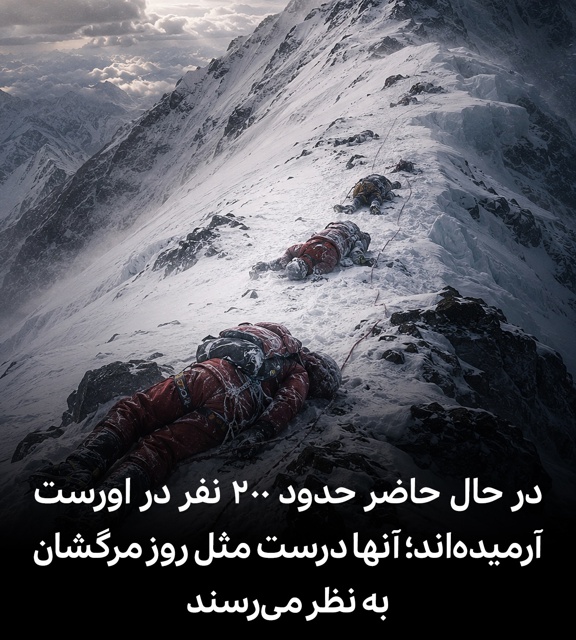
Mount Everest looks breathtaking from a distance, but the reality of climbing it is far more terrifying than most people realize. At nearly 8,849 meters above sea level, the air contains only about a third as much oxygen as at sea level. Every breath becomes a struggle, and even simple movements can feel exhausting. Above 8,000 meters lies the “death zone,” where the human body cannot survive for long without supplemental oxygen.
Then there are the temperatures. Fierce winds can make the cold feel unbearable, while sudden storms can turn a clear climb into a fight for survival within minutes. But perhaps the scariest part is the mountain itself. Climbers must cross unstable glaciers, crevasses, steep ice walls, and areas vulnerable to avalanches. A single mistake—or a change in weather—can have deadly consequences.