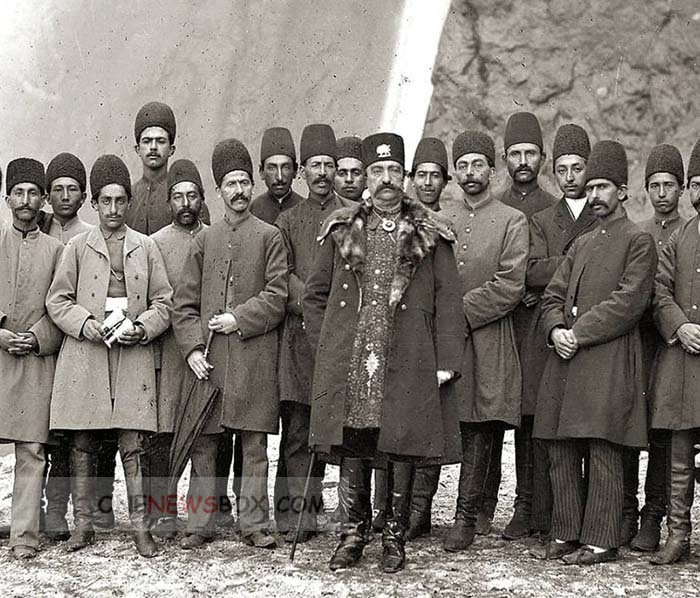
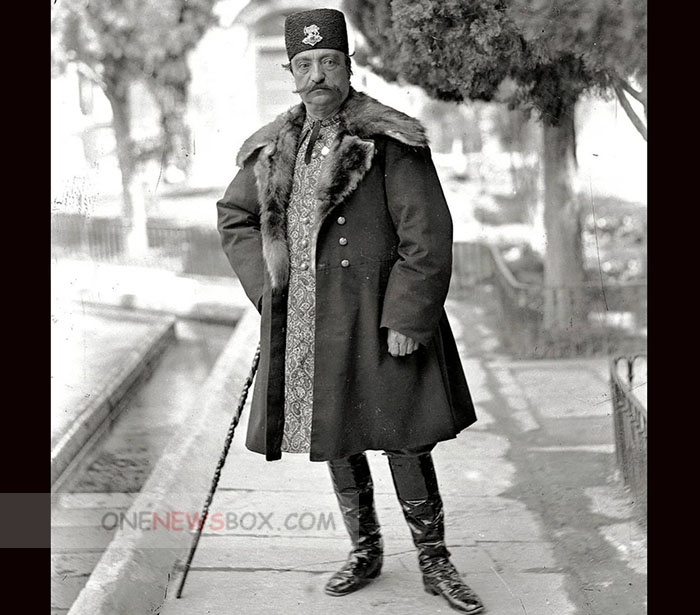
[custom_adv] Naser al-Din Shah Qajar (16 July 1831 – 1 May 1896) was the Shah of Qajar Iran from 5 September 1848 to 1 May 1896 when he was assassinated. He was the son of Mohammad Shah Qajar and Malek Jahān Khānom and the third longest reigning monarch in Iranian history after Shapur II of the Sassanid dynasty and Tahmasp I of the Safavid Dynasty. [custom_adv] Nasser al-Din Shah had sovereign power for close to 50 years. He was the first modern Persian monarch who formally visited Europe and also wrote his memoirs.The state under Naser al-Din was the recognized government of Iran but its authority was undermined by local tribal leaders. The religious and tribal chieftains held quite a bit of autonomy over their communities. [custom_adv] Naser al-Din was not effective in implementing his sovereignty over his people. Local groups had their own militias and oftentimes did not obey laws passed by the monarchy since they did not have the power to enforce them. The people followed the ulama's fatwas instead of state issued law. [custom_adv] When Naser al-Din took power, his army barely had 3,000 men which was significantly smaller than the armies under various tribal leaders. When the state needed a proper army, he would hire the local militias. Prior to his reforms, Naser's government had very little power over their subjects and even during the reforms, they faced more scrutiny over their ability to implement those reforms successfully. [custom_adv] Naser al-Din was in Tabriz from Qajars tribe when he heard of his father's death in 1848, and he ascended to the Sun Throne with the help of Amir Kabir. During his reign he would have to deal with the Revolt of Hasan Khan Salar, as well as insurrections by Babis. [custom_adv] Naser al-Din had early reformist tendencies, but was dictatorial in his style of government. With his sanction, thousands of Babis were killed after a few Babis, acting alone, made an attempt on his life. This treatment continued under his prime minister Amir Kabir, who even ordered the execution of the Báb – regarded as a manifestation of God to Bábí's and Baháʼís, and to historians as the founder of the Bábí religion. [custom_adv] Unable to regain the territory in the Caucasus irrevocably lost to Russia in the early 19th century, Naser al-Din sought compensation by seizing Herāt, Afghanistan, in 1856.