According to the Shi’ite customs, memorial services (chehelom) are held 40 days after a person’s death. Encouraged by Khomeini (who declared that the blood of martyrs must water the “tree of Islam”). Radicals pressured the mosques and moderate clergy to commemorate the deaths of the students, and used the occasion to generate protests. The informal network of mosques and bazaars, which for years had been used to carry out religious events, increasingly became consolidated as a coordinated protest organization.
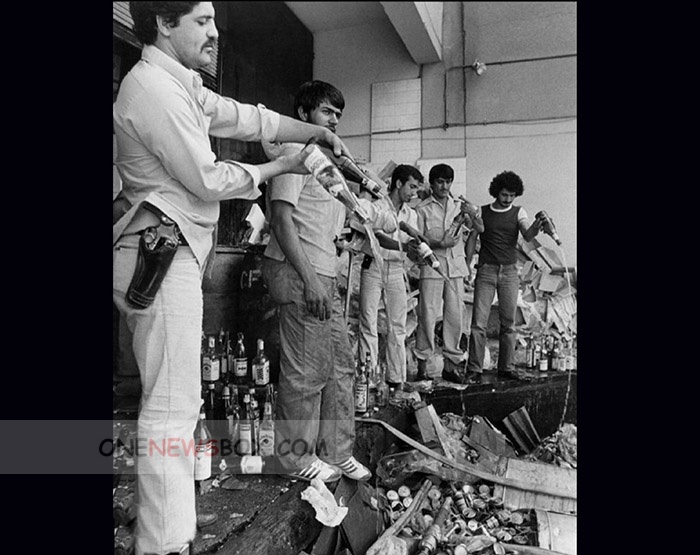
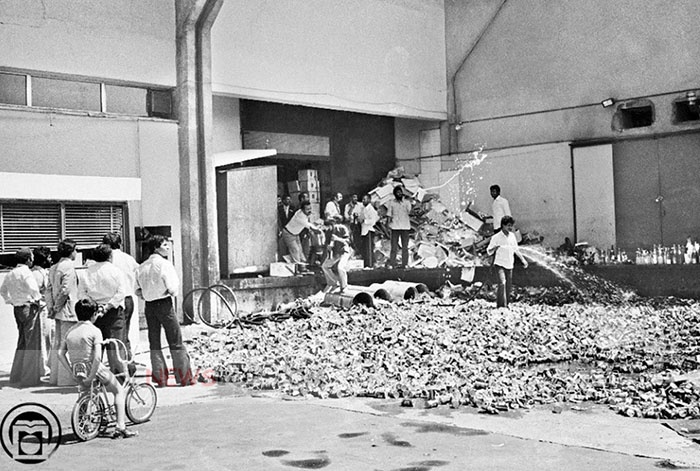
On 18 February, 40 days after Qom clashes, demonstrations broke out in various different cities. The largest was in Tabriz, which descended into a full-scale riot. “Western” and government symbols such as cinemas, bars, state-owned banks, and police stations were set ablaze. Units of Imperial Army were deployed to the city to restore order, and the death toll, according to government was 6, while Khomeini claimed hundreds were “martyred.”