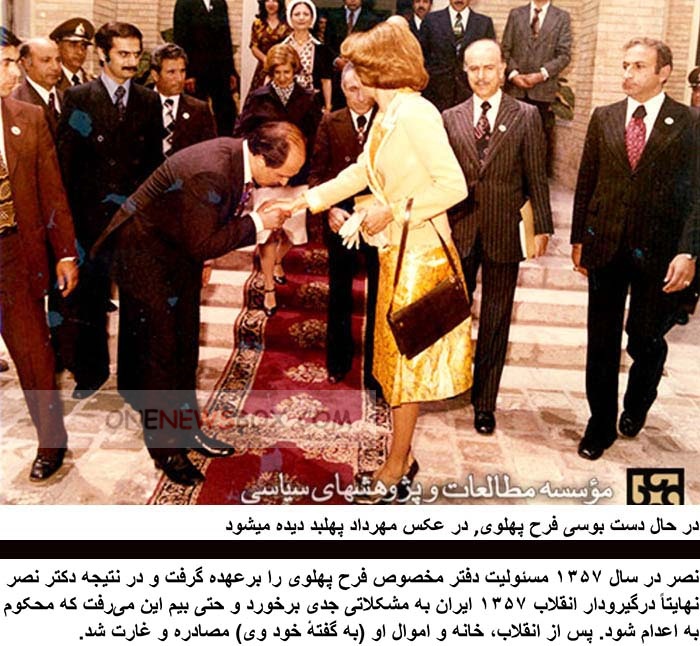
The 1979 revolution forced him to exile with his family to the United States, where he has lived and taught Islamic sciences and philosophy ever since, establishing himself as one of the world’s leading representatives of the Islamic philosophical tradition and the perennialist school of thought.Nasr’s works are characterized by a persistent critique of modern sciences as well as a defense of Islamic and perennialist doctrines and principles.
He argues that knowledge has been desacralized in the modern period, that is, separated from its divine source—God—and calls for its resacralization through sacred traditions and sacred science. Although Islam and Sufism are major influences on his writings, his perennialist approach inquires into the essence of all orthodox religions, regardless of their formal particularities. He is considered a key thinker on the environment, particularly in terms of Islamic environmentalism and resacralization of nature. He is the author of over fifty books and more than five hundred articles.