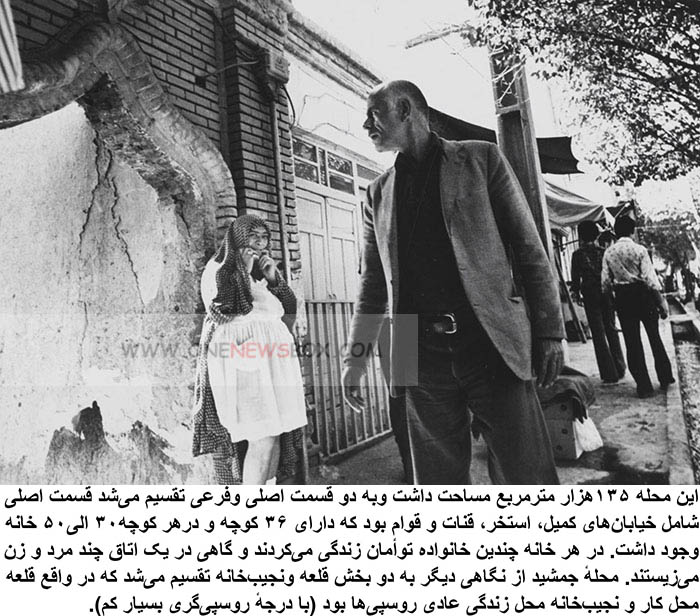
Capital’s other prostitutes joined them in the next eleven years, and then Shahr-e No was circled with a 2.50-meter-high brick wall, with women being forbidden from leaving this area. After the revolution and the establishment of the Islamic regime, in July 1979, a crowd that witnessed the death sentences of three women accused of procuring assaulted the district, burned the brothels, persecuted women, and spread terror. At this time, the area sprawled over 13 ha and hosted 1500 women, 753 street sellers, 178 shops, and two theaters.
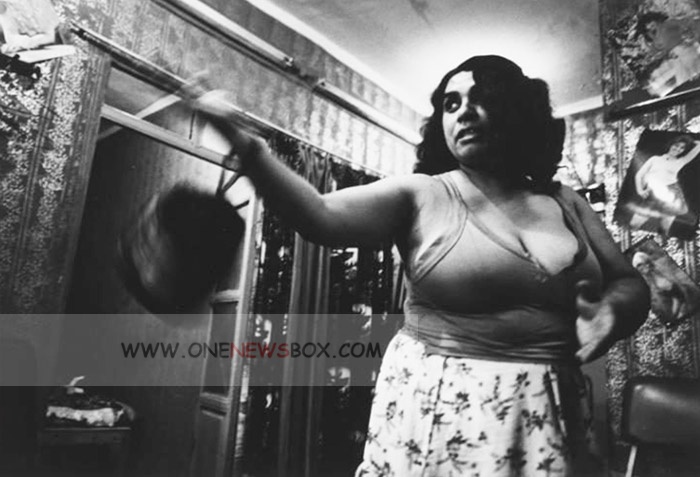
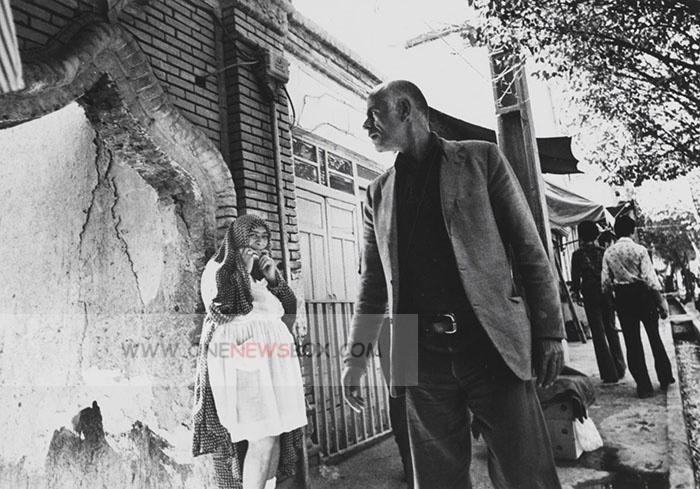
Leader , the government demolished the red light district and flattened it with bulldozers, only leaving a barren area. Hooman Majd, author of The Ayatollah Begs to Differ, said that the government did this for Islamic reasons and to demonstrate the government’s authority. The Islamic Republic then strove to erase all memory of it, destroying books and movies that mentioned its existence. The city’s maps are marked with a rectangle captioned “Parc in Construction.” Only rare witness accounts remain, such as the photographic series The Citadel by Iranian photojournalist Kaveh Golestan . The area wasn’t refurbished until 1998, with a city park and a hospital.