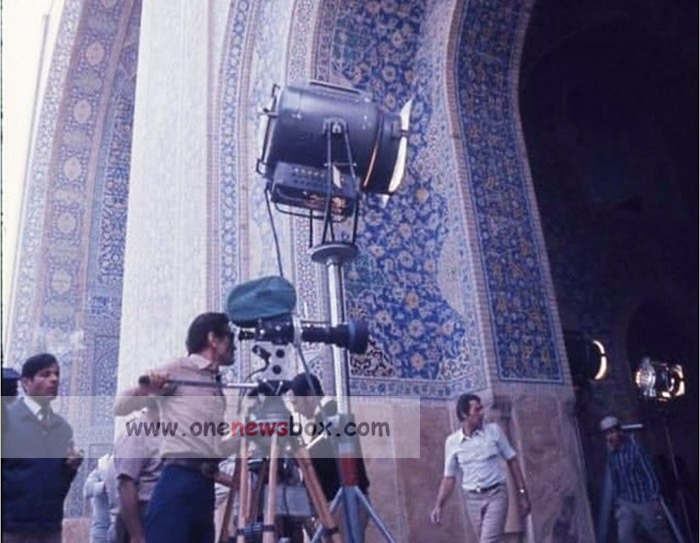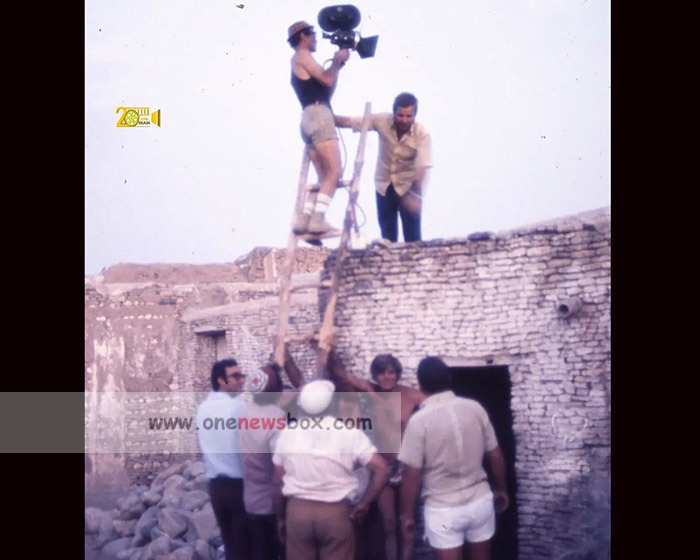
One of the most important locations was Isfahan, the magnificent city in central Iran. For centuries, Isfahan had been celebrated for its architecture, gardens, bridges, bazaars, and monumental mosques. Its buildings, particularly those surrounding Naqsh-e Jahan Square, offered a visual language that seemed almost unreal on film. Vast courtyards, enormous domes, intricate geometric patterns, and blue and turquoise tiles created an atmosphere that could easily belong to a fairy tale.
Yet the serenity of Isfahan’s architecture did not necessarily translate into a serene filming experience. Behind the beautiful images was a production surrounded by practical difficulties, cultural misunderstandings, and, eventually, controversy. One of the stories associated with the filming concerns an intimate scene involving actors in a mosque. Whether every detail of the incident has survived accurately through later retellings or not, the basic story captures an important tension: Pasolini’s cinematic language was rooted in sensuality and freedom, while the sacred character of the location imposed boundaries that the production could not simply ignore.