A symbolic turning point came when Nasser al-Din Shah, during his trip to England, was introduced to the gramophone. Fascinated, he brought one back to Iran. This device, though limited in distribution, marked the first instance of mechanical reproduction of music in Iran and foreshadowed the coming transformation of the entertainment industry.
From Private Gatherings to Public Establishments
By the early 20th century, Iran began to change rapidly. With the Constitutional Revolution (1905–1911), new ideas about public space, rights, and culture emerged. Cafés, which had been simple tea houses, started to serve as places for socialization and even mild entertainment. Still, however, there were no cabarets in the modern sense.
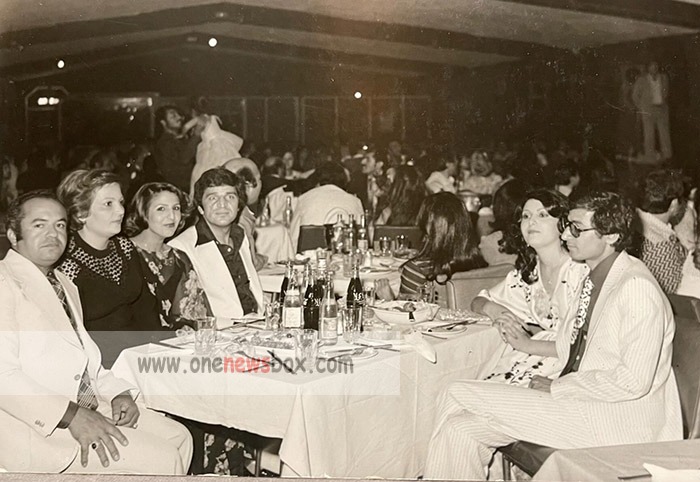
The first significant step toward creating a structured entertainment venue was taken by Hejazi, an entrepreneur who founded the “Shokofeh Café.” Located where the Shokofeh Now Cabaret would later stand, the café began as a modest establishment with two adjoining shops turned into a dining hall. Here, patrons could enjoy alcoholic beverages and food while being entertained. The performances included animal tricks, light dancing, and humorous sketches.
It was a humble beginning, but it was also revolutionary: for the first time, entertainment had a public venue in Tehran, detached from private celebrations.