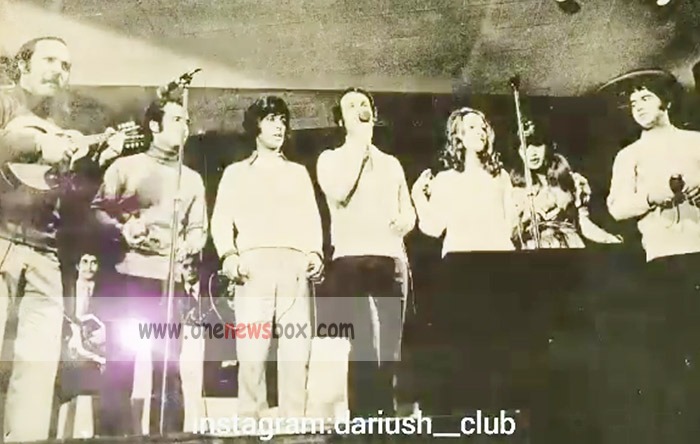
The real transformation came when Hejazi was exposed to Western cabaret styles. Through American films, which had started to circulate in Iran during the 1930s and 1940s, he learned about musical variety shows. Inspired, he attempted to replicate these forms by creating multi-act performances that included music, dance, and comedy.
This innovation led to the emergence of Shokofeh Now Cabaret, considered the first true cabaret in Iran. From there, others followed, creating a new industry that fused Iranian traditions with Western-style nightlife.
The Rise of Tehran’s Cabaret Scene
By the mid-20th century, Tehran had become the center of Iran’s cabaret culture. Other cities, too, began to host venues, but the capital, with its cosmopolitan elite and growing middle class, was the heart of the industry.
Cabarets were not just restaurants or clubs; they were stages of modernity. Patrons came not only to eat and drink but also to watch performers who were increasingly professionalized. The programs included:
-
Music and Dance – both traditional and Western-influenced, with female performers now entering the scene.
-
Comedy and Satire – often performed by duos or troupes, such as the Rasouli brothers, Taghadosi brothers, and later by solo comedians.
-
Variety Acts – animal tricks, magic shows, and even “exotic dances” inspired by Hollywood or Egyptian cinema.