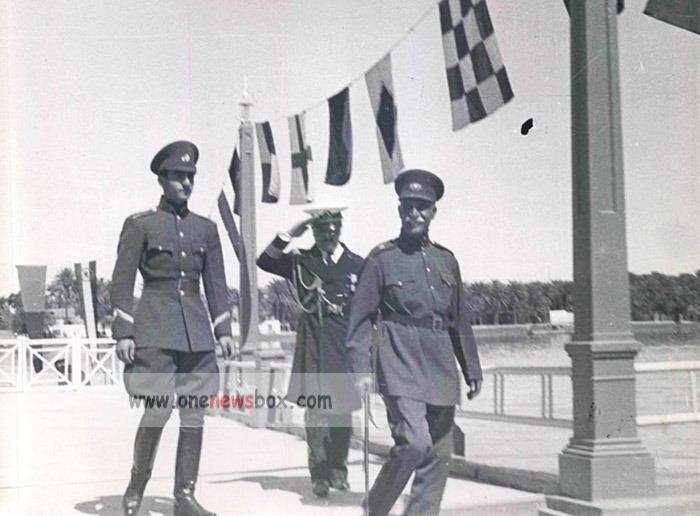
Reza Shah Pahlavi (15 March 1878 – 26 July 1944), born Reza Khan, was one of the most consequential figures in modern Iranian history. Rising from humble origins as a military officer to become Shah of Iran, he founded the Pahlavi dynasty and ruled the country from 1925 until 1941. His reign marked a decisive break with Iran’s pre-modern political order and laid the institutional, military, and administrative foundations of the modern Iranian state. At the same time, his authoritarian methods, cultural policies, and suppression of political freedoms have made his legacy deeply controversial. To admirers, Reza Shah was a unifier, modernizer, and nation-builder who rescued Iran from chaos and foreign domination; to critics, he was an autocrat whose coercive rule undermined constitutionalism and planted the seeds of future unrest.
Early Life and Military Formation
Reza Shah was born in the village of Alasht in Mazandaran province, a region south of the Caspian Sea. His background was modest, far removed from the aristocratic or clerical elites that traditionally dominated Iranian politics. Orphaned at a young age, he grew up in poverty, circumstances that shaped his worldview and contributed to his later emphasis on discipline, order, and authority.
At the age of fourteen, Reza Khan joined the Persian Cossack Brigade, an elite military unit originally established and trained under Russian supervision. The Brigade played a central role in Iranian politics during the late Qajar period, often acting as the decisive military force in times of crisis. Reza Khan distinguished himself through physical strength, organizational skill, and personal discipline. Over the years, he rose steadily through the ranks, eventually attaining the position of brigadier-general by 1921.