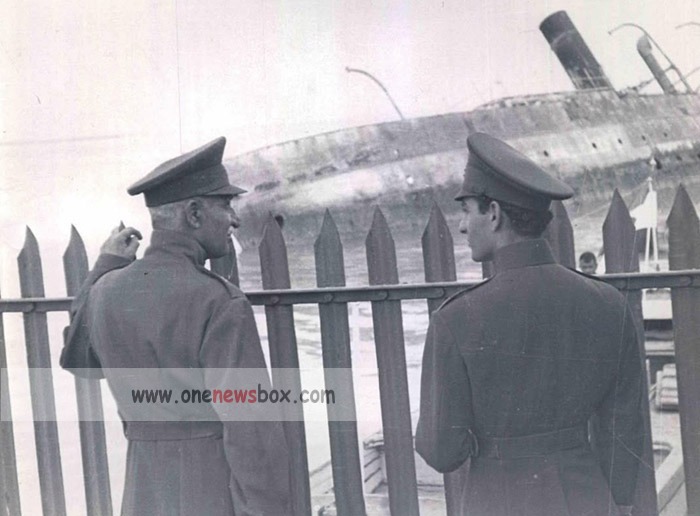
The final months of Reza Shah Pahlavi’s reign marked one of the most dramatic turning points in modern Iranian history. After nearly two decades of centralized rule, state-building, and authoritarian modernization, Reza Shah was forced from the throne not by domestic revolution but by foreign invasion and geopolitical realities imposed by the Second World War. The Anglo-Soviet invasion of Iran in August–September 1941, followed by the Shah’s abdication in favor of his son Mohammad Reza Pahlavi, exposed the structural vulnerabilities of the Iranian state and underscored the limits of Reza Shah’s project of sovereignty and independence. Central to this episode were the roles played by Prime Minister Mohammad Ali Foroughi, British strategic calculations, Soviet military pressure, and Reza Shah’s own political misjudgments.
Iran and the Second World War
At the outbreak of World War II, Reza Shah declared Iran’s neutrality, hoping to shield the country from another episode of foreign occupation like those experienced during World War I. His neutrality, however, was viewed with suspicion by the Allied powers, particularly Britain and the Soviet Union. Iran’s geographic position made it strategically indispensable: it lay between the oil-rich Persian Gulf and the Soviet Union, and its railways and roads provided a crucial supply route for Allied matériel.