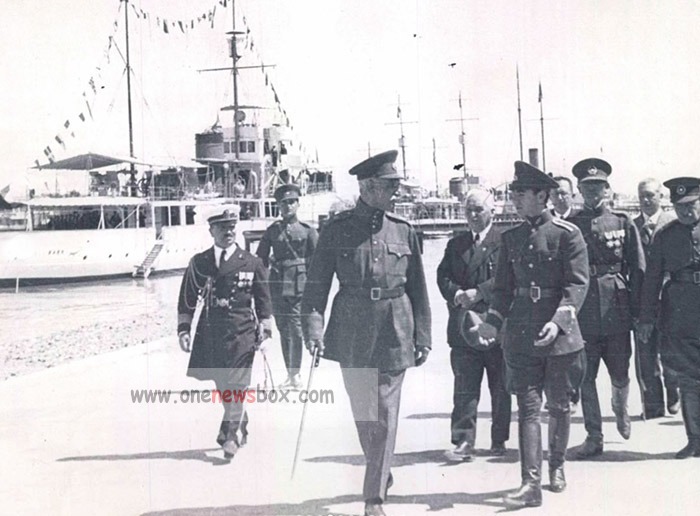
State-Building and Centralization
One of Reza Shah’s foremost objectives was the creation of a strong, centralized state. He regarded political fragmentation and tribal autonomy as the primary causes of Iran’s historical weakness. Through a combination of military force and administrative reform, he dismantled the power of tribal confederations, forcibly disarmed nomadic groups, and imposed direct state control over the provinces.
This policy of detribalization and forced sedentarization was among the most controversial aspects of his rule. While it succeeded in extending state authority, it also caused significant social disruption and resentment among ethnic and tribal communities, including Kurds, Lurs, Arabs, Turkmen, and Bakhtiari tribes.
Reza Shah also undertook sweeping administrative reforms. He established a modern bureaucracy, standardized taxation, and reorganized the judiciary. Traditional religious courts were gradually replaced by a secular legal system modeled on European examples. These reforms significantly curtailed the power of the Shia clergy, bringing the legal system firmly under state control.