Military Modernization and Foreign Policy
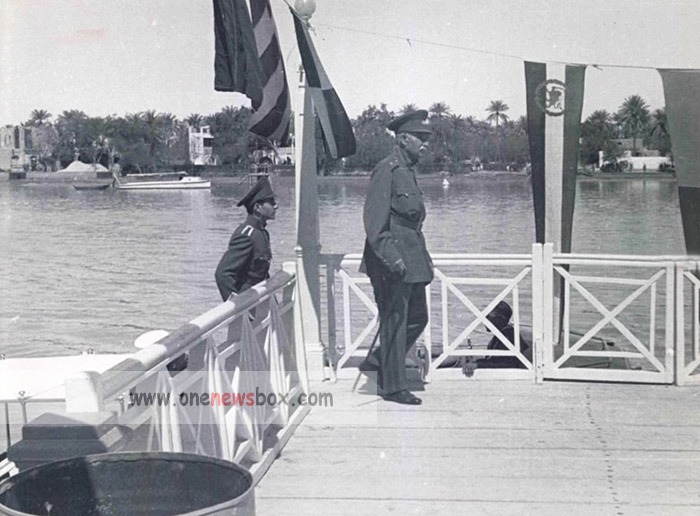
As a former military officer, Reza Shah placed great emphasis on building a modern national army. He introduced conscription, expanded military training, and invested heavily in arms production and procurement. A unified national army replaced the patchwork of local militias that had previously dominated Iran’s security landscape.
In foreign policy, Reza Shah sought to reduce British and Russian influence, which he viewed as the greatest threats to Iran’s independence. During the 1920s and early 1930s, he pursued closer relations with the United States and Weimar Germany. Later, he turned to countries such as Czechoslovakia and Denmark, drawing on firms like Škoda Works and the Scandinavian consortium Kampsax to develop Iran’s infrastructure, railways, and industrial base.
The most visible symbol of this modernization drive was the Trans-Iranian Corridor, a massive railway project connecting the Caspian Sea to the Persian Gulf. Completed in 1938, it was a remarkable engineering achievement and a cornerstone of Iran’s economic integration.