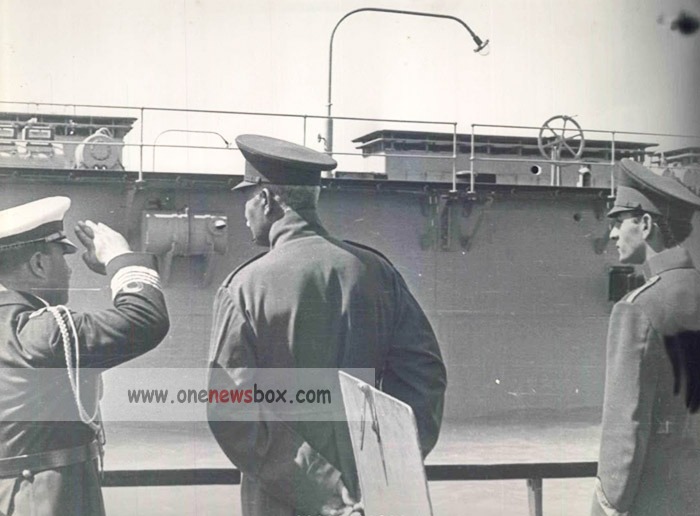
Legacy and Historical Assessment
Reza Shah Pahlavi remains one of the most polarizing figures in Iranian history. His reign undeniably transformed Iran, creating the institutional framework of a modern nation-state and restoring a sense of national pride after decades of humiliation and decline. Infrastructure, education, military organization, and state authority all bear the imprint of his rule.
At the same time, his authoritarianism, cultural coercion, and disregard for political freedoms alienated significant segments of society. The absence of meaningful political participation and social justice reforms contributed to long-term tensions that would later erupt during the Iranian Revolution of 1979.As British civil servant Clarmont Skrine observed, Reza Shah was “one of the strongest and ablest men Iran has produced” in its long history. Whether he is remembered primarily as the founder of modern Iran or as an autocratic ruler who suppressed dissent depends largely on perspective. What is beyond dispute is that Reza Shah Pahlavi irrevocably reshaped Iran’s political, social, and historical trajectory, leaving a legacy that continues to shape debates about power, identity, and modernization in Iran today.